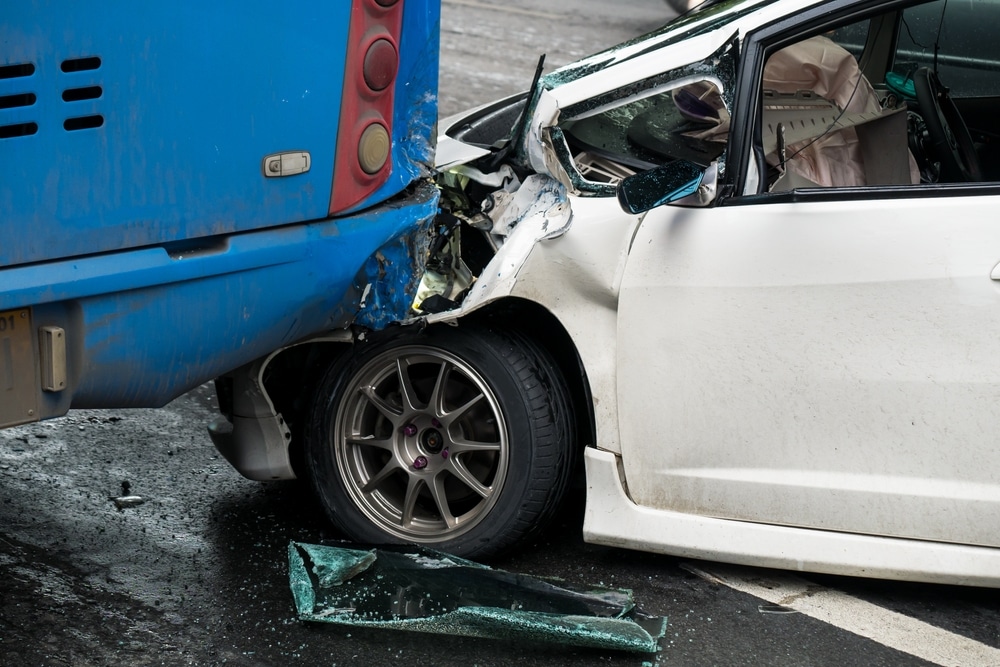
The bus driver, the bus company, a government agency, another driver, a repair shop, or a parts maker could be liable for a bus accident. Often more than one of them shares the blame.
Working out who is liable for a bus accident takes more digging than a car crash. One group may own the bus, another may hire the driver, and a third may fix it. Ou bus accident lawyers at Sweet James look at each link in that chain before deciding who may owe you compensation.
Who Can Be Held Liable for a Bus Accident
Buses carry many people at once, so many states require the people who run them to take extra care. Courts consider bus operators “common carriers,” which puts the operators under a different category of law. Depending on the facts, liable parties could include:
- The bus driver, if careless driving caused the crash
- The company that employs the driver or owns the bus
- A city, county, school district, or transit agency that runs the bus
- Another driver who caused or added to the crash
- A repair shop that did poor work on the bus
- A company that made a faulty bus part
At Sweet James, we often find that two or three of these parties share fault in a single crash. Each one may have its own insurer, which is why sorting out blame early can matter.
When the Bus Driver Is to Blame
A bus driver may be liable for speeding, texting, driving while tired or impaired, or running a light. Bus drivers need a special license, and those who cross state lines must follow federal limits on how long they drive.
Still, the driver is not always at fault just because the driver was behind the wheel. A third-party driver could be the one to blame, or the brakes may fail even when the driver does everything right.
When our team at Sweet James reviews a bus crash, we look at what the driver did and whether anyone else set the stage for the mistake. The driver is often only one part of the story.
How a Bus Company Can Share the Blame
In every state, an employer is usually liable for mistakes workers make on the job. If a driver causes a crash during a route, the bus company may be liable too.
A company can also be at fault for its own choices. It may hire a driver with a poor record, skip safety training, set schedules so tight that drivers speed, or keep a bus on the road after an inspection flags a problem.
Special Rules When a Government Agency Runs the Bus
Cities and school districts run many buses. Claims against them follow different rules than claims against a private company. Many states require a written notice of claim before you can sue a government agency, and some give you six months or less to send it. Some states also cap how much you can get from a public agency or block some kinds of claims.
A government agency can still be held liable when its driver, its maintenance, or its policies caused a crash. At Sweet James, we check early whether a public agency is involved so that a notice deadline does not slip past.
When a Repair Shop or Parts Maker Is Responsible
Buses depend on safe brakes, tires, steering, and doors. If a repair shop skipped an inspection or did a careless brake job, that shop may be liable for a crash that followed. Maintenance logs and repair records can show whether problems were ignored.
A company that made a faulty part may also be liable. In many states, a maker can be liable for a faulty product even if no one proves it was careless. These claims may involve brakes, tires, seat belts, windows, or emergency exits.
Product claims often need engineers to inspect the bus before it is repaired or scrapped. Sweet James has more than 400 legal professionals, which gives us the staff to take on large companies and their lawyers.
Evidence That Shows Who Caused the Crash
Bus companies and public agencies keep many records. Evidence that may help show who is liable for a bus accident includes:
- The police report and any crash scene photos
- Onboard camera video and traffic camera footage
- Driver hiring, training, and work hour records
- Inspection, maintenance, and repair logs
- Data from the bus’s event recorder, sometimes called a black box
- Statements from passengers and other witnesses
When Sweet James takes a bus case, we send a letter asking each party to keep its records. We also use data from thousands of injury cases to help connect the evidence to each party’s role in the crash.
How Shared Fault Can Change Your Claim
Every state has rules for crashes where more than one party is at fault. In many states, each liable party pays its own share. Some states let you collect the full amount from any one of them, and that party then seeks repayment from the others.
Your own share of fault may matter too. Many states cut what you get by your share of the blame. A few, such as Alabama, Maryland, North Carolina, and Virginia, can bar your claim if you were even a little at fault.
For a passenger, personal fault is rarely an issue, and the fight is usually among the parties over who pays. Our attorneys at Sweet James have taken more than 500 cases to trial, and we are prepared to go to court if the parties keep pointing at each other.
Get Help From Sweet James After a Bus Crash
Knowing who is liable for a bus accident tells you which insurers you face, which deadlines apply, and how much money may be there for your losses. Sweet James can review your crash, look for every party who may share the blame, and handle the insurers while you recover.
Our attorneys have more than 25 years of experience helping injury victims. We answer calls 24/7, offer help in Spanish, and charge no fees or costs unless we win. Call Sweet James today for a free consultation about your bus accident claim.