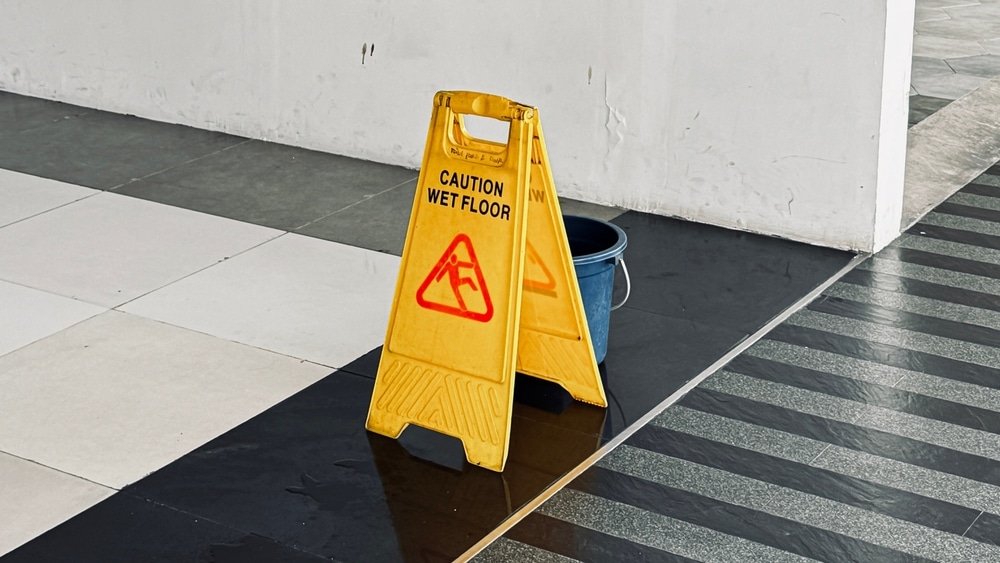
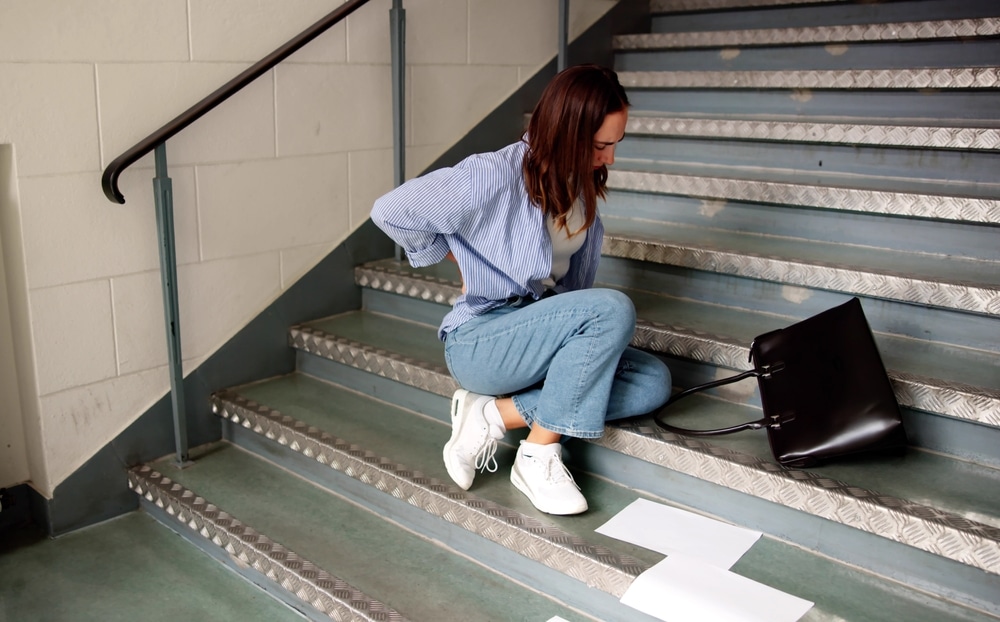
Slip and fall accidents commonly happen in places where people walk every day, including stores, parking lots, apartment buildings, sidewalks, workplaces, and private properties. Many of these incidents happen when a property owner or manager fails to address a dangerous condition within a reasonable time.
These accidents can happen almost anywhere, but some locations present a higher risk because of heavy foot traffic, weather exposure, or poor maintenance. To learn more, talk to a slip and fall accident lawyer at Sweet James. Real Lawyers. Real Results.
What Are the Most Common Places for Slip and Fall Accidents?
Slip and fall accidents often happen in public and private places where people regularly walk and where property conditions can change quickly. Businesses, residential complexes, and outdoor walkways are all common settings. These areas may contain hazards that develop from spills, wear and tear, poor upkeep, or weather exposure.
The most common places for slip and fall accidents include locations where owners or managers are expected to inspect and maintain the property. When that does not happen, a routine trip to a store or walk to a car can lead to a serious injury.
The exact setting can also affect what evidence is available after a fall. Common places include:
- Grocery stores and retail shops often have wet floors, fallen merchandise, or crowded aisles.
- Parking lots and parking garages may have cracks, potholes, poor drainage, or dim lighting.
- Apartment buildings can have broken stairs, loose railings, or slippery common areas.
- Sidewalks and entryways may contain uneven pavement, pooled water, or worn surfaces.
- Restaurants and bars often face risks from food spills, drink spills, and recently mopped floors.
- Office buildings and workplaces may have loose carpeting, exposed cords, or unsafe stairways.
What Property Conditions Often Cause Slip and Fall Injuries?
Slip and fall injuries are often caused by unsafe walking surfaces, poor visibility, or obstacles that should not be in a pedestrian path. A hazard does not have to look dramatic to cause serious harm. Even a small elevation change or a clear liquid on a smooth floor can lead to a hard fall.
Common conditions include wet floors, loose mats, uneven pavement, torn carpet, broken steps, and missing handrails. Poor lighting can make these hazards harder to see, especially in stairwells, hallways, and parking structures. In some cases, the danger comes from a combination of conditions rather than a single defect.
In many cases, the key issue is whether the property owner knew about the hazard, or should have discovered it, and had a reasonable opportunity to fix it or warn visitors. That usually depends on the facts, including how visible the hazard was and how long it had been there. Maintenance records and photographs often play a large role in that analysis.
Who May Be Responsible for a Slip and Fall on Someone Else’s Property?
Responsibility for a slip and fall on someone else’s property often depends on who owned, occupied, managed, or maintained the area where the injury happened. In some cases, that may be a business owner or landlord. In others, a tenant, property management company, maintenance vendor, or government agency may share responsibility.
The key issue is usually control over the dangerous area and whether the party had a duty to fix the problem or warn visitors. A person or company may be liable if they created the hazard, knew about it, or should have discovered it through reasonable inspections. The answer is not always obvious from the address alone.
More than one party may be involved, especially in shopping centers, apartment complexes, and office properties where slip and fall accidents commonly happen.
Lease terms, maintenance contracts, and incident records may help show who was responsible for upkeep. That is one reason slip and fall cases often require a close review of property relationships.
How Can the Location of a Fall Affect a Legal Claim?
The location of a fall can affect a legal claim because it may shape who is responsible, what safety rules apply, and what evidence is available. A fall in a grocery store is often handled differently from a fall on government property or in a private residence. The setting may also affect how quickly evidence disappears.
Some locations have security cameras, cleaning logs, employee reports, or maintenance files that can help show what happened. Other places may have little documentation unless you take photos or get witness information right away. The more specific the location, the easier it may be to identify who had notice of the hazard.
A fall on public property can also involve shorter claim deadlines and added notice requirements. That can make early action more useful if you want to protect your rights. Even when the cause seems clear, the location can change the legal path of the case.
Learn More About Common Slip and Fall Accident Locations
Where slip and fall accidents commonly happen is not just a general safety question. It can be a major part of proving how a fall occurred, who may be responsible, and what evidence may support a claim. Stores, restaurants, sidewalks, parking lots, apartment buildings, and workplaces all present recurring risks when hazards are not addressed in time.
If you were injured in a fall and want to learn more about your legal options, contact Sweet James for a free consultation today. We can review where the accident happened, discuss the property conditions involved, and help you understand the next steps.