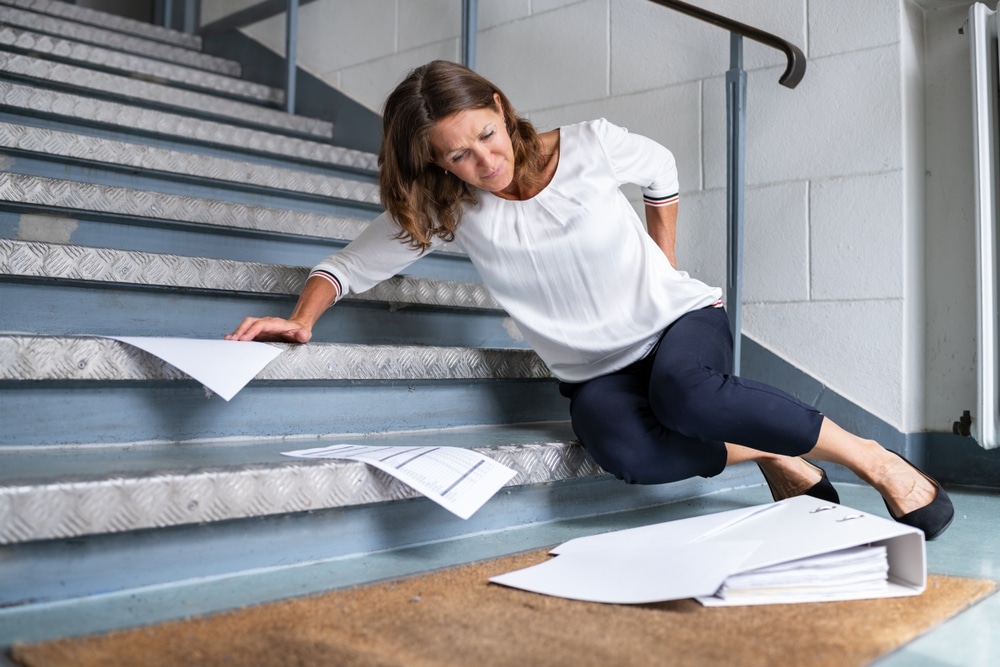
Premises liability is the area of law that holds property owners and occupiers responsible when unsafe conditions on their property cause injuries, including many slip and fall accidents. At Sweet James, our slip and fall accident lawyer can help you understand the process.
If you were hurt after slipping, tripping, or falling on someone else’s property, this legal concept may shape whether you can bring a claim. A fall alone does not automatically mean the owner is legally responsible. Read on to learn more about premises liability and how it relates to slip and fall accidents,
What Does Premises Liability Mean in a Slip and Fall Case?
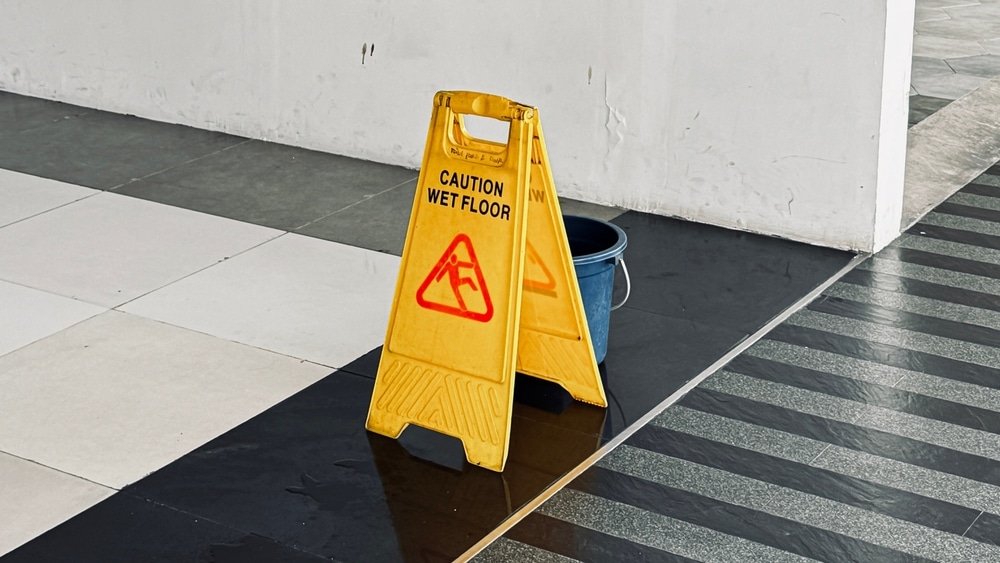
Premises liability means a property owner, manager, tenant, or business may be legally responsible if an unsafe condition on the property causes a fall injury. In a slip and fall case, the claim usually focuses on whether the party in control of the property failed to keep the area reasonably safe. That duty can apply to both temporary hazards and ongoing property defects.
A wet floor, uneven walkway, poor lighting, loose handrail, or torn carpet may all lead to a premises liability claim if they create an unreasonable risk of harm. The law does not make owners automatically responsible for every accident on their property.
You generally must show that the hazardous condition existed and that the responsible party knew or should have known about it.
Do You Have to Prove the Owner Knew About the Hazard?
Yes, in many premises liability cases, you must prove that the owner or occupier knew about the hazard or should have discovered it through reasonable care. This is often called actual notice or constructive notice. Without notice, a claim can be harder to prove unless the responsible party created the dangerous condition.
Actual notice means someone directly knew about the problem before the fall. Constructive notice means the condition existed long enough or was obvious enough that a reasonable inspection should have found it. A freshly spilled drink may raise different issues than a leak that had been causing a puddle for hours.
This part of the case is often built through circumstantial evidence. Surveillance footage, cleaning logs, maintenance requests, employee statements, and prior complaints may help show notice. If the hazard was recurring, that may also support an argument that the property owner should have taken steps to prevent another accident.
What Evidence Helps Prove a Premises Liability Claim and Slip and Fall Accident?
The strongest evidence in a premises liability claim usually shows what caused the fall, who controlled the property, and how long the hazard existed. Since conditions can change quickly after an accident, early documentation is often very helpful. A cleaned floor, moved mat, or repaired step can make later proof harder.
If you are physically able, try to report the incident and document the scene as soon as possible. This can help preserve details that may not appear in a later written report. Medical records also matter because they connect the fall to the injuries you suffered. Useful evidence may include:
- Photos of the hazard can show the condition that caused the fall.
- Video footage can show how long the hazard existed or how the fall occurred.
- Witness statements can support your account of the condition and the accident.
- Incident reports can document when the property owner first learned of the event.
- Medical records can connect your injuries to the fall.
- Maintenance logs can show whether inspections or repairs were missed.
Can You Still Recover if You Were Partly at Fault?
Yes, you may still recover damages even if you were partly at fault, though your recovery may be reduced based on your share of responsibility. In many slip and fall cases, the defense argues that the injured person was distracted, wore unsafe footwear, ignored warnings, or failed to watch where they were going. That does not automatically defeat the claim.
Fault in these cases is often shared and depends on the facts. A property owner may still be responsible if the danger was hard to see, the warning was inadequate, or the condition should have been fixed before anyone got hurt. The law often looks at each party’s conduct rather than placing all blame on one side.
This is one reason careful investigation matters in a slip and fall accident claim. Small details can affect how fault is assigned, including lighting, placement of warning signs, crowding, and whether the hazard blended into the floor surface. Even when the defense points to your actions, the property owner’s conduct may still remain a central issue.
What Damages May Be Available After a Slip and Fall Accident?
If a premises liability claim is successful, damages may be available for both financial losses and personal harm caused by the fall. These may include medical bills, future treatment costs, lost income, reduced earning ability, and pain and suffering. The value of a claim often depends on the severity of the injuries and how long they affect your daily life.
Slip and fall accidents can lead to more than short-term soreness. Some people suffer fractures, head injuries, joint damage, or lasting mobility problems. When an injury changes your ability to work, drive, care for family, or manage routine activities, those effects may be part of the claim.
The timeline of recovery also matters. A soft tissue injury may resolve with time, while a surgery, rehabilitation program, or permanent impairment may raise the value of the case.
Records from doctors, employers, and other providers often help show the full impact of the accident. Premises liability and how it relates to slip and fall accidents is an important concept to understand.
Learn More About Premises Liability and How It Relates to Slip and Fall Accidents
Premises liability and slip and fall accidents are closely connected because many fall cases depend on whether a property owner failed to keep the premises reasonably safe. These claims often depend on proof of a hazardous condition, notice of the danger, and evidence linking the fall to your injuries.
If you were injured in a fall and want to learn whether premises liability may apply, Sweet James can review the facts of your situation. We can help you look at the available evidence, identify the issues that may affect fault, and explain the next steps in a slip and fall accident claim. Contact us for a free consultation.