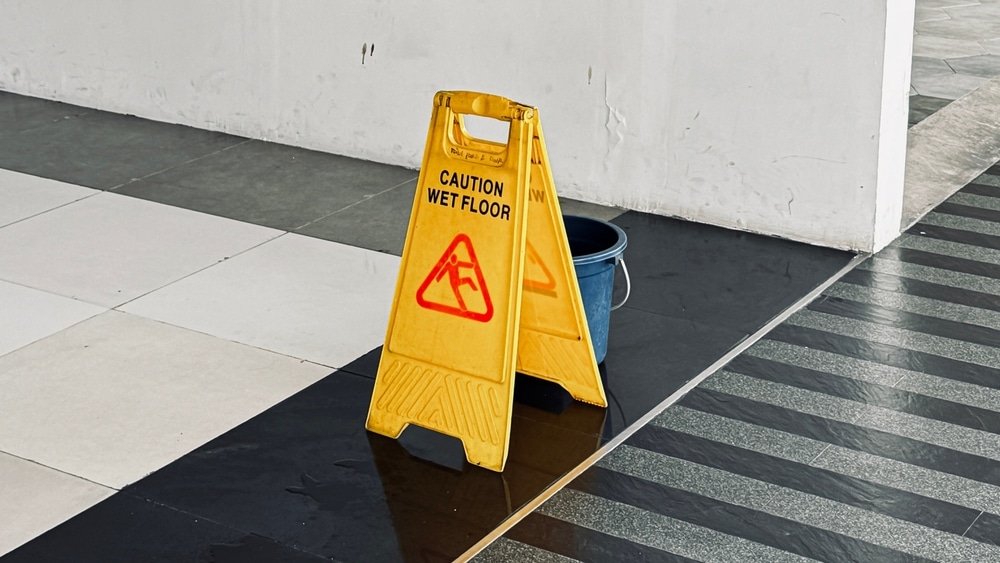

In many cases, you cannot sue your employer if you slipped and fell because workers’ compensation is the primary remedy for an employee injured on the job. However, you may have a lawsuit if your employer did not carry required or applicable workers’ compensation coverage, a statutory exception applies, or someone other than your employer caused the dangerous condition.
Workers’ compensation may pay for authorized medical care, part of your lost wages, and certain disability benefits without requiring you to prove that your employer was negligent. A separate personal injury claim may provide additional forms of compensation when a property owner, contractor, cleaning company, equipment manufacturer, or another third party contributed to the fall.
A Newport Beach slip and fall accident lawyer can determine whether your case is limited to workers’ compensation or whether you have another claim arising from the same accident.
Does Workers’ Compensation Prevent You From Suing Your Employer?
Workers’ compensation laws usually protect covered employers from personal injury lawsuits. This rule is often called the exclusive-remedy rule.
Under this system, you generally do not need to show that your employer caused your fall. In return, you usually cannot pursue a negligence lawsuit against the employer for damages such as pain and suffering.
The rule may apply even when unsafe flooring, poor housekeeping, inadequate lighting, or delayed repairs contributed to the accident. However, the result depends on the state, the employer’s insurance status, your employment classification, and how the injury occurred.
When Can You File a Lawsuit After a Slip and Fall at Work?
You may be able to sue after slipping and falling at work when a person or business other than your employer caused or controlled the dangerous condition. This is commonly known as a third-party claim.
A third-party lawsuit may be available when:
- A building owner failed to repair a dangerous stairway or walkway.
- A cleaning company left a wet floor without an adequate warning.
- A contractor placed cords, tools, debris, or materials in a work area.
- A delivery company caused a spill and failed to clean it.
- A manufacturer supplied defective flooring, a ladder, or safety equipment.
- A different business controlled the area where you fell.
You may be able to pursue workers’ compensation benefits and a third-party lawsuit arising from the same injury. The workers’ compensation insurer may have reimbursement or lien rights against part of a third-party recovery, so both claims must be handled carefully.
Limited exceptions may also permit a direct claim against an employer under state law. These exceptions are narrow and may involve an uninsured employer, certain intentional conduct, fraudulent concealment, or other conduct identified by statute.
Who May Be Liable for a Workplace Slip and Fall?
Determining liability requires identifying who owned, occupied, maintained, or controlled the accident location.
Your employer may lease space from a commercial landlord while another company handles cleaning or repairs. On a construction site, several contractors may work in the same area. In an office tower or shopping center, the property owner may retain responsibility for lobbies, elevators, parking areas, and shared walkways.
Potentially liable parties may include:
- A commercial property owner or landlord.
- A property management company.
- A janitorial or maintenance company.
- A general contractor or subcontractor.
- A vendor, delivery service, or neighboring business.
- A manufacturer or distributor of defective equipment.
Contracts, leases, work orders, inspection records, and surveillance footage can help establish which party had the authority and responsibility to correct the condition.
What Compensation is Available in a Third-Party Claim?
Workers’ compensation and personal injury claims provide different forms of recovery.
Workers’ compensation may cover approved medical treatment, temporary disability payments, permanent disability benefits, and other benefits authorized by state law. It generally does not compensate an injured worker for pain and suffering.
A third-party personal injury claim may seek compensation for:
- Past and future medical expenses.
- Lost wages and reduced future earning capacity.
- Pain and suffering.
- Physical impairment or disfigurement.
- Injury-related out-of-pocket expenses.
Any recovery depends on the evidence, applicable law, available insurance, and the full effect of the injury. A workers’ compensation carrier may also seek repayment for benefits it paid from a third-party settlement or judgment.
What Evidence Supports a Workplace Slip and Fall Claim?
Evidence should show what caused the fall, how long the condition existed, who controlled the area, and how the injury affected you.
Helpful evidence may include:
- Photos and video of the hazard and surrounding area.
- Surveillance recordings from the workplace or nearby businesses.
- A written accident or incident report.
- Witness names and contact information.
- Medical records linking your injuries to the fall.
- Cleaning schedules, inspection logs, and repair records.
- Prior complaints or maintenance requests.
- Your shoes, clothing, or damaged personal property.
Report the accident promptly and describe the unsafe condition accurately. Do not speculate about facts you did not see or accept blame simply because an employer or insurer asks you to do so.
Can You Recover Compensation if You Were Partly Responsible?
Workers’ compensation benefits are generally available without proving fault, although exclusions may apply for conduct identified under state law.
In a third-party lawsuit, the defendant may argue that you were distracted, ignored a warning, entered a restricted area, or failed to use required footwear. Shared-fault laws vary by state. Depending on where the accident happened, partial responsibility may reduce your compensation or prevent recovery if your assigned percentage exceeds a statutory limit.
An allegation that you contributed to the fall does not decide the case. Photos, video, witness testimony, training records, and workplace policies may show whether the hazard remained unreasonably dangerous despite your actions.
Talk to Sweet James About Suing After a Workplace Slip and Fall
If you were hurt in a workplace fall, Sweet James can determine whether you have a workers’ compensation claim, a direct claim against an uninsured employer, a lawsuit against a third party, or more than one available path.
Before founding the firm, James represented insurance carriers in personal injury and workers’ compensation cases. That background gives our team insight into how insurers evaluate and defend workplace injury claims.
Contact us to discuss suing an employer after slipping and falling at work and the legal options that may apply to your case. We offer free consultations and handle qualifying injury cases on a contingency-fee basis. You pay no fees or costs until we win.