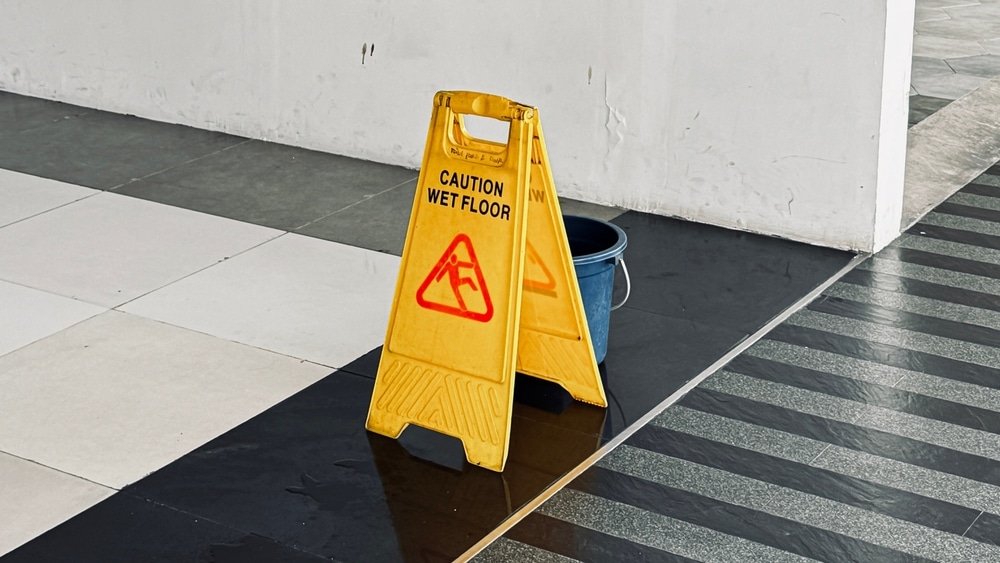

Yes, you may be able to sue an apartment complex for a slip and fall in a common area if the property owner, landlord, management company, or another responsible party failed to keep the area reasonably safe and that failure caused your injuries.
Apartment common areas may include stairwells, sidewalks, parking lots, hallways, laundry rooms, lobbies, elevators, and pool decks. Because tenants generally do not control these shared spaces, responsibility for maintaining and repairing them often rests with the owner or property manager.
A Newport Beach slip and fall lawyer can help you identify the responsible parties and explain the law that applies in your state.
What is an Apartment Common Area?
A common area is a part of an apartment property intended for use by multiple tenants, visitors, employees, or guests. Unlike the inside of an individual unit, these areas are usually controlled and maintained by the property owner or management company.
Common areas may include:
- Hallways, staircases, landings, and elevators.
- Sidewalks, entryways, and shared walkways.
- Parking lots, parking garages, and driveways.
- Mailrooms, laundry rooms, and clubhouses.
- Courtyards, playgrounds, and recreation areas.
- Swimming pools, pool decks, and shared patios.
An area may still qualify as a common area when access is limited to residents, guests, delivery workers, or authorized personnel. Liability often depends on who controlled the area and who had authority to inspect, repair, clean, or restrict access to it.
When Can You Sue an Apartment Complex for a Common Area Slip and Fall?
You may be able to file a claim against an apartment owner or manager for a common area slip and fall when they fail to use reasonable care to discover or correct a dangerous condition in a shared area.
The hazardous condition may involve:
- A wet floor without an adequate warning.
- A broken stair, loose handrail, or damaged step.
- Uneven pavement or a dangerous change in elevation.
- Poor lighting in a hallway, stairwell, or parking area.
- Standing water, ice, oil, trash, or other debris.
- A damaged gate, walkway, mat, or drainage system.
The legal issue is not simply whether the property contained a hazard. You must generally show that the responsible party created the condition, knew about it, or should have discovered it through reasonable inspections and maintenance.
For example, repeated tenant complaints about a loose handrail may establish actual knowledge. A puddle that remained in a hallway long enough to be found during a reasonable inspection may support an argument that management should have known about it.
What Must You Prove in an Apartment Slip and Fall Claim?
To recover compensation, you generally must establish four elements:
- Duty: The defendant had a legal duty to use reasonable care under the circumstances.
- Breach: The defendant failed to inspect, repair, clean, or warn about an unsafe condition.
- Causation: The unsafe condition caused your fall and resulting injuries.
- Damages: You suffered losses that can be supported with evidence.
Depending on the facts, recoverable losses may include medical expenses, lost income, reduced earning ability, pain, physical limitations, and other injury-related harm.
Evidence showing who controlled the area can be especially useful. A property owner may attempt to place responsibility on a management company, maintenance contractor, cleaning company, or another business. A lawyer can review contracts, maintenance records, and ownership documents to determine who may be liable.
Does the Apartment Complex Need Prior Notice of the Hazard?
Prior notice is often a central issue in a slip and fall claim. Notice may be actual or constructive.
Actual Notice
Actual notice means the owner, manager, or staff knew about the unsafe condition. Evidence may include prior complaints, maintenance requests, inspection reports, emails, text messages, or statements from employees and tenants.
Constructive Notice
Constructive notice means the condition existed long enough, occurred often enough, or was predictable enough that reasonable property management should have discovered it.
Surveillance recordings, cleaning schedules, repair logs, witness accounts, and prior incident reports may help establish how long the hazard existed and whether management had a reasonable opportunity to respond.
Can You Recover Compensation If You Were Partly at Fault?
You may still be able to recover compensation even if you share some responsibility for the fall. The result depends on the comparative-fault rules in the state where the injury occurred.
The property owner or insurer may argue that you were distracted, ignored a warning, entered a restricted area, or failed to watch where you were walking. These allegations do not automatically defeat a claim in every state. They may reduce compensation based on the percentage of fault assigned to you.
Photos, witness statements, video recordings, and prompt incident reporting can help counter an unfair attempt to place full responsibility on you.
What Should You Do After a Slip and Fall in an Apartment Common Area?
Seek medical care right away, even if your symptoms initially appear manageable. Some injuries become more noticeable hours or days later, and medical records can help connect your condition to the fall.
You should also take the following steps when possible:
- Report the fall to the landlord or property manager in writing.
- Request a copy of the incident report.
- Photograph or record the hazard and surrounding area.
- Document lighting, weather, warning signs, and visibility.
- Obtain names and contact information from witnesses.
- Preserve the shoes and clothing you were wearing.
- Save maintenance requests and communications about the condition.
- Keep medical bills, employment records, and other proof of your losses.
Avoid signing releases or giving a detailed recorded statement to an insurer before receiving legal advice. An insurance representative may use your statements to dispute how the accident happened or minimize your injuries.
How Long Do You Have to File a Slip and Fall Lawsuit?
Every state has a statute of limitations that restricts how long you have to file a personal injury lawsuit. The applicable deadline depends on where the fall occurred, who owned the property, and other facts.
Additional notice requirements may apply when the apartment property is owned or operated by a city, county, housing authority, or another public entity. These notice periods may be much shorter than the deadline for filing a lawsuit.
Do not assume that negotiations with an insurance company will pause the filing deadline. A lawyer can determine the applicable date and take steps to preserve your claim.
Talk to Sweet James About an Apartment Common Area Slip and Fall
If you were injured because an apartment walkway, staircase, parking area, or other shared space was not reasonably maintained, Sweet James can investigate what happened and determine who may be responsible.
We offer free consultations and handle personal injury cases on a contingency-fee basis. You pay no fees or costs until we win.
Contact us to discuss suing an apartment complex for a slip and fall that happened in a common area and learn what options may be available.