How to prove negligence in a rideshare accident case comes down to showing that another party acted carelessly and that their conduct caused your injuries and losses. In many rideshare claims, that means identifying who made a mistake, what evidence shows that mistake, and how the crash affected you.
Rideshare accident claims can involve more than one party, which can make the proof process different from a typical car accident case. A driver, another motorist, or even several parties may share fault. Our rideshare accident lawyer at Sweet James can help you understand how to prove negligence.
What Does Negligence Mean in a Rideshare Accident Case?
Negligence in a rideshare accident case means a person or party failed to use reasonable care and caused a crash that led to injuries or other damages. To prove negligence, you generally need to show a duty of care, a breach of that duty, causation, and damages. These are the basic legal parts of many personal injury claims.
In a rideshare setting, the duty of care often applies to anyone operating a vehicle on the road. A rideshare driver is expected to drive safely, follow traffic laws, and pay attention to surrounding traffic. If that driver speeds, looks at the app instead of the road, or makes an unsafe turn, those actions may support a negligence claim.
Negligence can also apply to another driver who hit the rideshare vehicle. If you were a passenger, your claim may involve the rideshare driver, another motorist, or both. That is why the facts of the crash matter so much when you are proving negligence in a rideshare accident case.
What Evidence Helps Prove Negligence After a Rideshare Crash?
The evidence that helps prove negligence after a rideshare crash is usually the evidence that shows what happened, who caused it, and how the collision harmed you. Good evidence can make it easier to show fault and respond to disputes raised by insurers. A claim often becomes stronger when several types of evidence support the same version of events.
Some of the most useful evidence comes from the scene itself and from records created soon after the crash. Evidence that can help prove negligence includes:
- Photos of vehicle damage, road conditions, traffic signs, and visible injuries can help show how the collision occurred.
- A police report can document statements, road conditions, and any traffic citations issued after the crash.
- Witness statements can support your account if other drivers or insurers dispute fault.
- Medical records can connect the accident to your physical injuries and treatment.
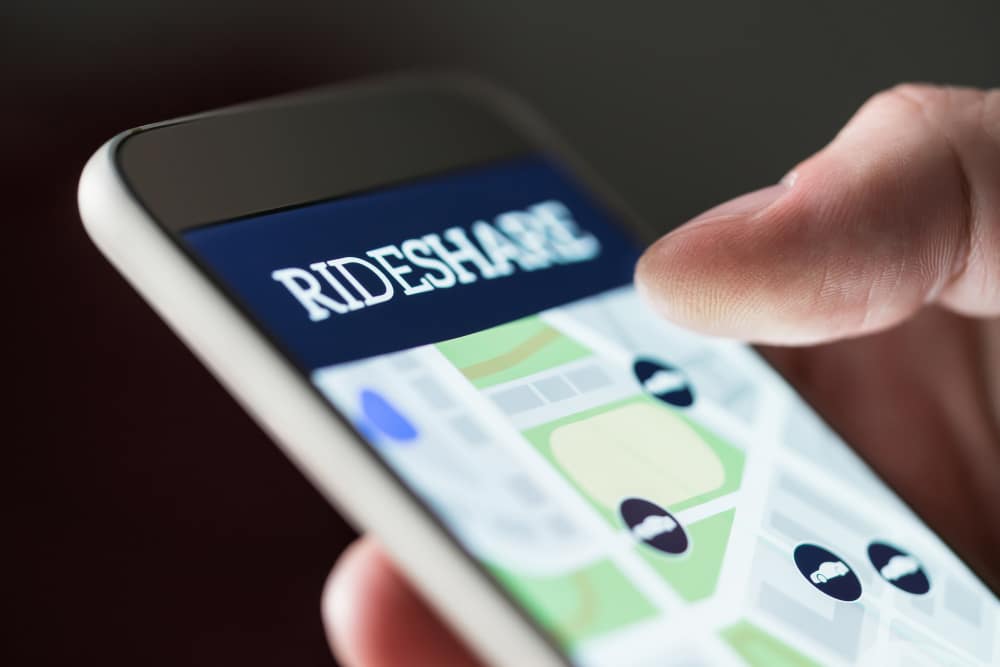
- Rideshare app data can show the driver’s status at the time of the crash.
- Repair estimates and wage records can help show your financial losses.
Who Can Be Held Liable in a Rideshare Accident Claim?
The liable party in a rideshare accident claim depends on who acted carelessly and what role they played in the crash. In many cases, the rideshare driver may be liable, but another driver may also be fully or partly at fault. Some claims involve several parties sharing responsibility.
If you were a rideshare passenger, you may have a claim even if you do not know which driver caused the crash. An investigation may review dashcam footage, app records, witness accounts, and scene evidence to sort out fault. This is one reason rideshare accident claims can take more fact-gathering than a standard two-car collision.
Insurance coverage can also depend on the driver’s app status. If the driver was logged out, one policy may apply, while different coverage may apply if the driver had accepted a ride or was carrying a passenger. Our team can help you prove negligence in a rideshare accident case.
How Do You Show a Rideshare Driver Breached a Duty of Care?
You show a rideshare driver breached a duty of care by pointing to actions that fell below safe driving standards. That can include distracted driving, speeding, following too closely, failing to yield, or ignoring traffic signals. The goal is to connect the driver’s conduct to the collision in a specific and fact-based way.
A breach of duty is often shown through direct and circumstantial evidence. A witness may have seen the driver looking at a phone, or camera footage may show the vehicle running a red light. In some cases, the damage pattern and final resting positions of the vehicles also help explain what went wrong.
Can You Still Recover Compensation if More Than One Party Was at Fault?
Yes, you may still recover compensation if more than one party was at fault, though the amount and source of recovery can depend on the facts and the law that applies to your case. Shared fault is common in traffic collisions, including rideshare crashes. More than one driver may have contributed to the chain of events.
When fault is divided, claims often focus on each party’s role in causing the collision. One driver may have been speeding while another made an unsafe lane change. If you were a passenger, you may be in a stronger position to pursue a claim because you were not driving either vehicle.
This issue can also affect negotiations with insurers. Each insurer may try to place more blame on the other party to reduce what it pays. Clear evidence can help sort out those arguments and support your position in a rideshare accident negligence claim.
Speak With Sweet James About Proving Negligence in a Rideshare Accident Case
Proving negligence in a rideshare accident case often requires more than showing that a collision happened. You may need evidence of unsafe conduct, proof of how the crash occurred, and records tying your injuries and financial losses to the event.
Sweet James can help you learn more about your legal options after a rideshare crash. If you have questions about how to prove negligence in a rideshare accident case, contact us to discuss your situation and request a free consultation.