Are premises liability cases hard to win? Yes, they can be hard to win because you must show that a property owner or occupier knew or should have known about a dangerous condition and failed to fix it or warn you about it. That does not mean a case cannot succeed. It means the outcome often depends on the facts, evidence, and tying your injuries to the unsafe condition.
Property owners and insurers often argue that they were not at fault or that the hazard was obvious. These claims also tend to involve fact-specific disputes. A slip and fall accident lawyer can help you build a strong case against the liable party.
Why Are Premises Liability Cases Hard to Win?
Premises liability cases can be hard to win because proving fault usually requires more than showing that you were hurt on someone else’s property. You generally must show that a dangerous condition existed, that the owner or manager knew or should have known about it, and that the condition caused your injuries.
Another issue is that dangerous conditions can change quickly. Spills get cleaned up, broken steps are repaired, and surveillance footage may be erased if it is not requested early. When evidence disappears, it becomes harder to show what the property looked like at the time of the incident.
Property owners and insurance companies also commonly argue that the injured person was partly at fault. They may claim you were distracted, ignored warnings, or entered an area where you should not have been. These arguments do not always defeat a claim, but they can reduce its value or make settlement harder.
What Must You Prove in a Premises Liability Claim?
In most premises liability claims, you must prove that the property owner, business, landlord, or another responsible party failed to use reasonable care under the circumstances. You also need to connect that failure to the injuries and losses you suffered. Without that link, even a dangerous condition may not be enough to support recovery.
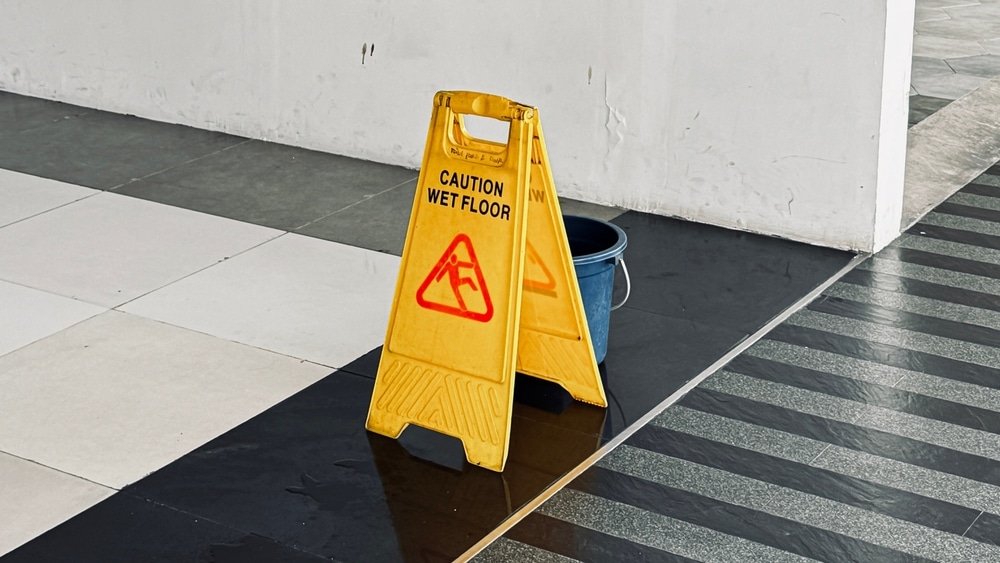
The exact proof depends on where and how the injury happened. A grocery store slip and fall may focus on inspection and cleanup procedures, while an apartment injury may involve poor maintenance, broken lighting, or unsafe stairs. The legal standard often depends on whether the hazard was known or should have been discovered in time.
Common elements that may come up in a premises liability case include:
- A dangerous condition was present on the property
- The owner, manager, or occupier knew or should have known about the condition
- The condition was not repaired within a reasonable time, or no adequate warning was given
- The dangerous condition directly caused your injury
- You suffered measurable damages, such as medical bills, lost income, or pain
Evidence That Can Help a Premises Liability Case
Strong evidence can make a major difference in a premises liability claim. Since these cases often rely on notice and causation, documentation from the scene is often very helpful. Photos, video, incident reports, and witness statements can help show what happened before conditions changed.
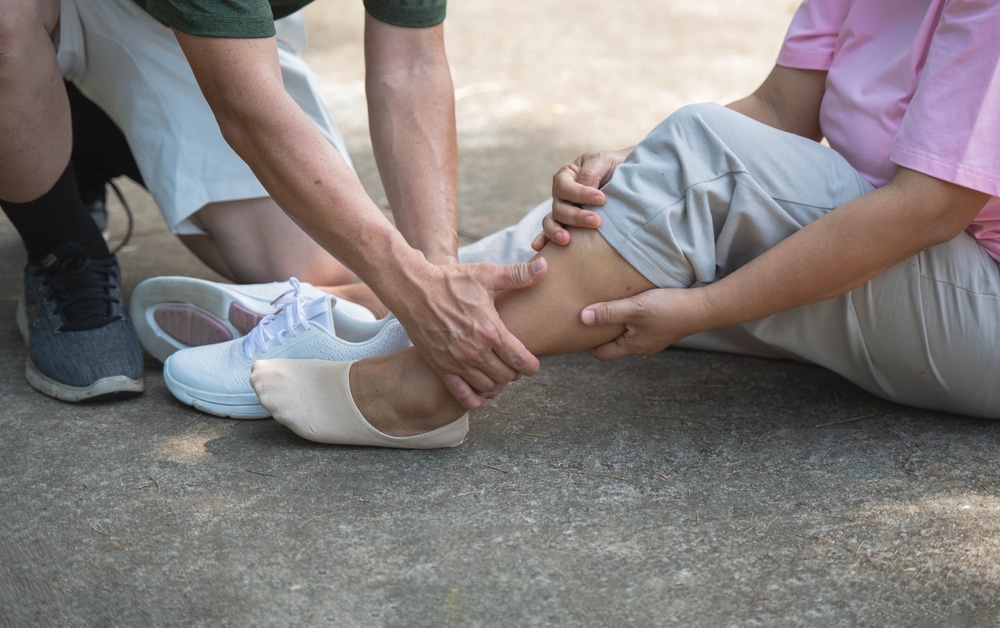
Medical records are also a big part of the case. They can connect the incident to your injuries and show how serious the harm was. If you wait too long to seek treatment, the insurance company may argue that your injuries came from something else.
In many cases, additional records can also matter. Maintenance logs, inspection records, cleaning schedules, employee reports, and surveillance footage may help show whether the property owner acted reasonably. When available, this type of evidence can help answer why premises liability cases are hard to win in some situations and stronger in others.
Does the Type of Property Affect How Hard the Case Is?
Yes, the type of property can affect how hard a premises liability case is to win. The duties owed to visitors may differ depending on whether the injury happened at a store, apartment building, hotel, parking lot, private home, or public space. The facts surrounding control of the property can also shape who may be liable.
For example, a commercial property may have staff, inspection routines, and surveillance footage that help show what happened. A private residence may have fewer records, which can make proof harder. In some cases, more than one party may share responsibility, such as a property owner, tenant, management company, or maintenance contractor.
The nature of the hazard matters too. A hidden structural defect may raise different issues than a temporary spill or uneven flooring. If the danger existed for a long time, that may support an argument that it should have been found and fixed earlier.
Can You Still Recover If You Were Partly at Fault?
You may still be able to recover compensation even if you were partly at fault, though your recovery may be reduced based on your share of responsibility. In many premises liability cases, the defense argues that the injured person was not paying attention, wore unsafe footwear, ignored signs, or chose an unsafe route.
That does not mean the property owner avoids responsibility automatically. A property can still be unsafe even if you made a mistake. The outcome often depends on how the facts are weighed and whether the dangerous condition played a substantial role in causing the injury.
This is one reason premises liability claims can be hard to win without clear evidence. When fault is shared or disputed, details such as lighting, warnings, visibility, and prior complaints may become very relevant. Small facts can affect how liability is divided.
Talk to Sweet James About Hard-to-Win Premises Liability Cases
Premises liability cases can be hard to win, but that often depends on whether the evidence shows a dangerous condition, notice, causation, and damages. Even when a case seems straightforward, property owners and insurers may dispute fault or argue that your injuries came from another cause. A careful review of the facts can help show where the claim stands.
If you were hurt on unsafe property and want to know whether you may have a claim, Sweet James can help you learn more about your options. Contact us to schedule a free case review and find out what steps may help support your case. Real Lawyers. Real Results.