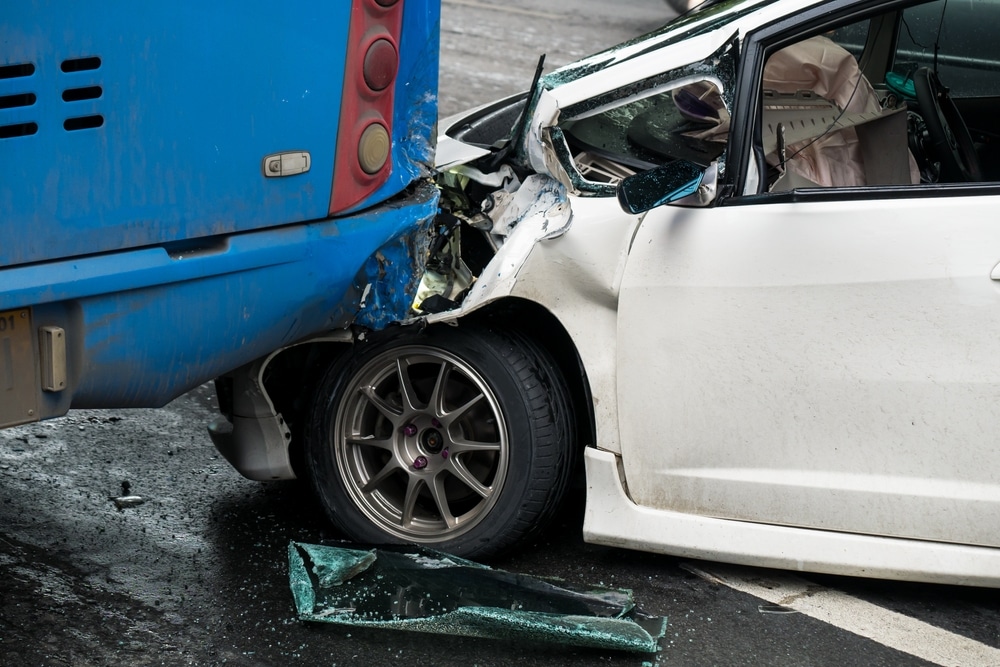
The bus accident lawsuit process involves filing a complaint, serving the defendants, exchanging evidence, and pursuing a settlement or trial. Before filing, an attorney investigates the collision and completes any required government claim procedures. Some injury claims settle without a lawsuit.
The steps depend on who operated the bus, the evidence of fault, and the injuries involved. A bus accident lawyer can explain which procedures apply and what you will need to provide as your case develops.
What Happens First in the Bus Accident Claim Process?
Medical care should come first, followed by reporting the collision and preserving available evidence. Keep photographs, witness contact information, treatment records, and correspondence from the operator or insurer.
We begin by investigating how the collision occurred and identifying the parties that may be responsible. The bus driver’s employer, the vehicle owner, the maintenance provider, and the transit agency may be separate entities.
This early work also establishes which filing requirements apply. Claims against public agencies may require formal notice well before the lawsuit deadline. An insurance claim or incident report does not necessarily satisfy those requirements.
How Is Fault Determined in a Bus Accident Case?
For a negligence claim, we generally must establish a duty of care, a breach of that duty, and resulting injuries and losses. Claims involving defective equipment or public property may require different proof.
Evidence used to evaluate liability may include:
- Police reports describing the scene and identifying witnesses.
- Passenger and bystander accounts of events before impact.
- Available onboard video, dashcam recordings, and surveillance footage.
- Driver schedules, inspection reports, and maintenance records.
- Vehicle data and technical analysis of mechanical failures.
Multiple parties may share responsibility. We assess each party’s conduct and any applicable government immunity. If fault remains disputed, a judge or jury may ultimately decide liability unless the parties settle.
When Does a Bus Accident Claim Become a Lawsuit?
A claim becomes a lawsuit when a complaint is filed in court. The complaint identifies the defendants, states the legal grounds for liability, and requests relief for your losses.
Filing may be necessary because the insurer disputes fault, undervalues your injuries, or has not resolved the claim before the deadline approaches. You do not always have to complete negotiations before suing, though required pre-suit procedures must be addressed.
A lawsuit does not commit you to a trial. Settlement discussions can continue while the court case proceeds.
What Are the Main Stages of a Bus Accident Lawsuit?
The lawsuit process for a bus accident case generally follows these stages, although some overlap or end before trial.
Filing and Service
We prepare the complaint and arrange for proper service of the required court papers. The defendants then have a specified period to respond. They may deny allegations, assert defenses, or challenge whether claims can proceed.
Discovery
The parties exchange relevant information through document requests, written questions, and depositions. A deposition involves sworn testimony outside the courtroom.
You may need to answer questions about the collision, your medical history, and the effects of your injuries. We explain these obligations and prepare you to give accurate testimony.
Motions and Settlement Discussions
The court may decide disputes about evidence, discovery, or the legal sufficiency of claims. At the same time, the parties may negotiate directly or participate in mediation with a neutral person who helps them explore settlement.
Trial and Post-Trial Proceedings
If unresolved claims reach trial, the parties present evidence and arguments to a judge or jury. Post-trial motions, an appeal, or efforts to collect a judgment may follow. A favorable verdict does not necessarily result in immediate payment.
What Evidence Is Needed in a Bus Accident Lawsuit?
Evidence must support both liability and damages. Medical records, imaging, treatment plans, income records, photographs, and witness testimony can establish the collision’s effects on your health and finances.
Bus-specific records may include route information, dispatch communications, inspection logs, and available electronic vehicle data. Access depends on relevance, privacy protections, and applicable disclosure rules.
We seek preservation of records that may otherwise be deleted or overwritten. You should also retain relevant materials in your possession, including messages, receipts, and original photographs.
How Long Does the Bus Accident Lawsuit Process Take?
A claim may resolve within months, while contested litigation can take years. The timeline for a bus accident lawsuit depends on the evidence, the disputed issues, and the court handling the case.
Factors that can extend the process include:
- Several defendants disputing their responsibility.
- Ongoing evaluation of future medical needs.
- Delays in obtaining records or scheduling depositions.
- Disagreements over insurance coverage or available policy limits.
- Court scheduling, pretrial motions, and appeals.
We distinguish the time needed to assess your losses from the deadline to file. Continuing treatment or settlement discussions generally does not give you additional time to sue.
Will a Bus Accident Lawsuit Settle or Go to Trial?
A lawsuit can settle at several stages, including during discovery or after mediation. Whether the parties reach an agreement depends on their assessment of liability, damages, and litigation risk.
We evaluate offers against the evidence and explain any proposed release. You decide whether to accept a settlement. Signing a release may end your right to pursue additional compensation from the parties it covers.
If no agreement is reached and the claims survive pretrial challenges, trial may be necessary. We prepare the evidence for that possibility while continuing to assess reasonable settlement options.
What Compensation May Be Available in a Bus Accident Case?
Compensation depends on the losses you can prove and the applicable law. Potential damages include:
- Medical expenses for emergency care, surgery, rehabilitation, and supported future treatment.
- Lost wages and reduced earning capacity.
- Physical pain, emotional distress, and reduced enjoyment of life.
- Damage to personal property.
Shared fault and statutory limits may affect recovery. Insurance coverage and a defendant’s available assets can also affect the amount that can be collected.
We document both current expenses and reasonably supported future losses. That assessment helps you evaluate offers during the bus accident litigation process.
Discuss Your Bus Accident Lawsuit With Sweet James
Whether you have just reported the collision or received a disputed settlement offer, Sweet James can assess the status of your claim. We will explain what remains to be investigated and whether filing a lawsuit may be appropriate.
Our practice focuses exclusively on accident and personal injury cases. We use data from thousands of injury cases to help evaluate claims, alongside the medical evidence, liability questions, and financial losses specific to you.
Request a free consultation to discuss upcoming decisions. We can review the steps already taken and explain how we would handle your representation. Our fees are contingent on recovery, which means you pay no fees or costs until we win.