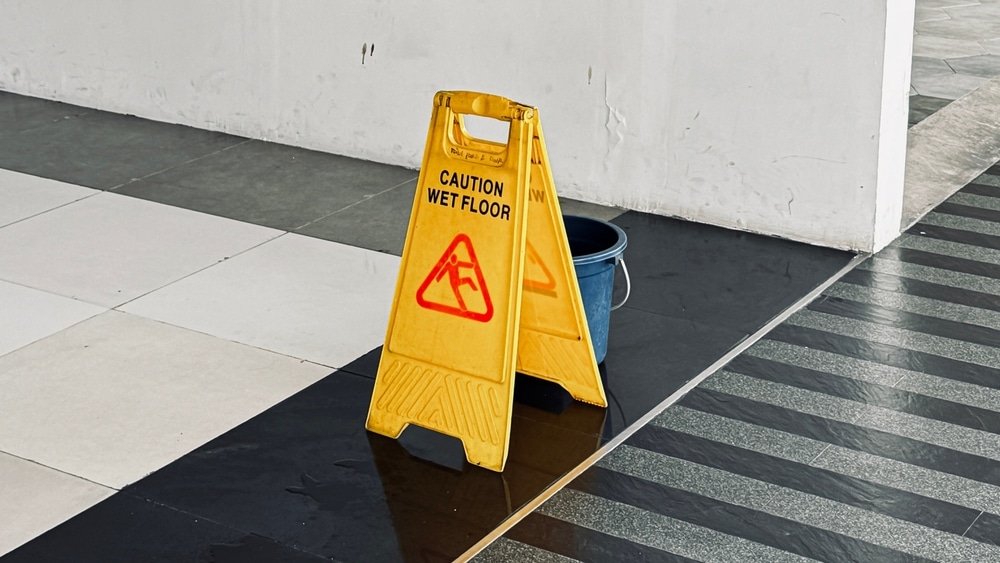
After a slip and fall, conditions can change fast. A spill may be cleaned up, a warning sign may be moved, or security footage may be deleted under a routine retention policy. That is why taking steps early can make a real difference if you later pursue a claim.
What evidence you should collect after a slip and fall accident depends on what happened, but the short answer is that you should gather photos, witness information, medical records, incident reports, and proof of the unsafe condition as soon as possible.
For further advice on what evidence to seek after your accident, talk to a slip and fall accident lawyer from Sweet James today and schedule a free consultation.
What Evidence Is Most Helpful After a Slip and Fall Accident?
The most helpful evidence after a slip and fall accident is anything that shows where you fell, what dangerous condition was present, and how the incident caused your injuries. Photos and videos are often useful because they capture the condition before it changes.
Medical records can connect your injuries to the fall and show the care you needed afterward. Witness details may also support your version of events if the property owner disputes what happened. Sweet James recommends doing the following before you leave the scene, if you can:
- Take clear photos of the exact area where you fell.
- Record any liquid, debris, broken flooring, poor lighting, or missing handrails.
- Save the shoes and clothing you were wearing at the time of the fall.
- Get the names and contact information of any witnesses.
- Ask whether an incident report was made and request a copy if available.
Should I Take Photos and Videos of the Accident Scene?
Yes, if you are able to do so safely, photos and videos of the accident scene can be very helpful after a slip and fall accident. Visual proof may show the hazard, the surrounding area, and whether any warning signs were missing. This type of evidence can be hard to replace later.
Try to capture the condition from several angles and distances. Close-up images can show details like a spill or cracked surface, while wider shots can show how visible the hazard was to others. If weather or lighting played a part, include that in your images as well.
It can also help to document the time and date if your phone stores that information automatically. If there were surveillance cameras nearby, note their location in your photos. That may help your attorney at Sweet James know to ask for footage before it is erased.
Do Witness Statements Matter in a Slip and Fall Claim?
Yes, witness statements can matter a great deal in a slip and fall claim because they may support your account of how the fall occurred. A neutral witness may have seen the hazard before the fall, the fall itself, or what happened right after. Their observations can be useful if the property owner denies the condition existed.
If someone saw the incident, ask for their full name and contact information. Don’t ask for their side of the story, though. Instead, have Sweet James contact them to give a statement. The insurers may say you biased their statement.
Witnesses can also describe whether employees were nearby or whether the hazard had been present for a while. That kind of information may be relevant when looking at whether the property owner had notice of the danger. Even one strong witness can add support to other evidence in your file.
Why Are Medical Records So Important After a Fall?
Medical records are important after a fall because they help connect your injuries to the incident and show the care you received. If you wait too long to seek treatment, the insurance company may argue that your injuries were unrelated or not serious. Prompt treatment creates a clearer timeline.
Your records may include emergency care notes, imaging results, follow-up visits, prescriptions, and physical therapy records. Together, these documents can show the nature of your injuries and how they affected your daily life. They may also help calculate the financial losses tied to your treatment.
Sweet James recommends keeping copies of bills, discharge instructions, and appointment records. Also, follow the treatment plan your provider gives you. Gaps in care can become an issue if the other side tries to challenge your claim.
What Documents Should I Keep After a Slip and Fall Accident?
You should keep any document that relates to the fall, your injuries, and your financial losses after a slip and fall accident. Written records can help support facts that might otherwise turn into a dispute. Keeping everything in one place can make the claims process easier.
Start with the incident report if one was made by the business or property owner. Then keep your medical paperwork, receipts, insurance letters, and any communication about the accident. If you missed work, hold on to records that show lost income or missed hours.
It can also help to keep a journal about your symptoms and recovery. A short daily or weekly note can show pain levels, mobility issues, sleep problems, and limits on normal activities. Sweet James can use this evidence to justify the value of your pain and suffering.
Talk to Sweet James About Evidence After a Slip and Fall Accident
Collecting evidence after a slip and fall accident often starts with simple steps like taking photos, getting witness information, seeking medical care, and keeping written records. The goal is to preserve proof of the unsafe condition, the incident itself, and the effect the fall had on your health and daily life. When that evidence is gathered early, it may be easier to support a claim.
If you have questions about what evidence to collect after a slip and fall accident, Sweet James can help you learn more about your options. Contact Sweet James today to discuss your situation and find out what steps may help protect your claim.