
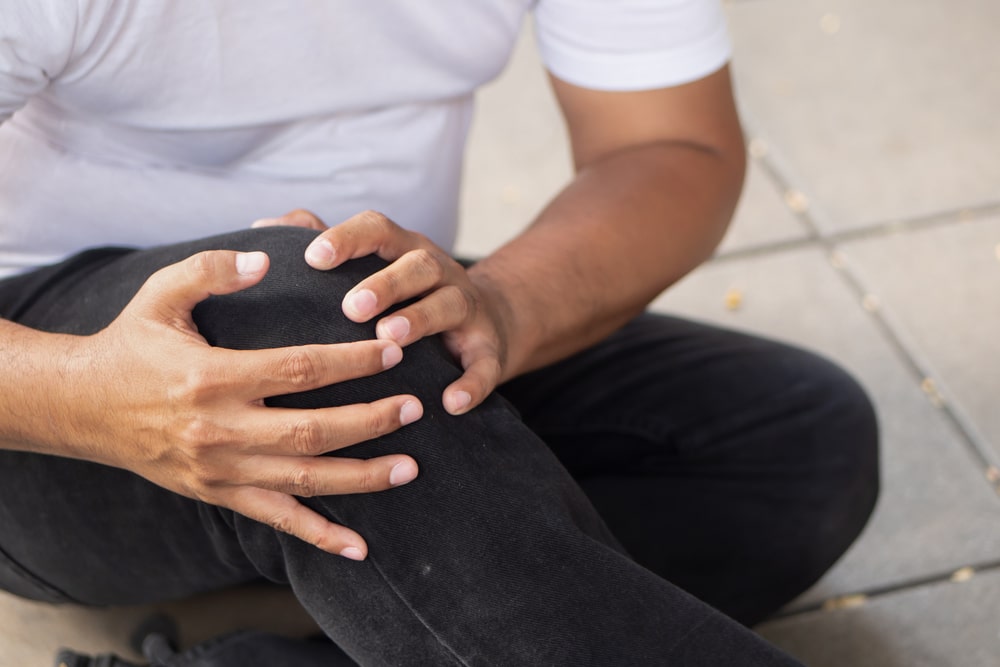
Should you see a doctor even if you feel fine after a slip and fall? Yes, you should, because some injuries do not cause symptoms right away, and a medical exam can help protect both your health and any future claim.
After a fall, adrenaline can mask pain for hours or even days. A prompt medical visit can help identify injuries early and create a record of what happened. Also, when treatment is delayed, insurers may argue that you were not really hurt or that something else caused your symptoms.
If you’ve been in a slip and fall accident, the lawyers at Sweet James can help you get financial compensation. Talk to our slip and fall accident lawyer today for advice after you’ve seen a doctor.
What Injuries Can Appear Hours or Days Later After a Fall?
Several common slip and fall injuries do not always show immediate symptoms. Soft tissue injuries, concussions, back injuries, and joint damage may worsen over time. What feels like minor soreness can turn into a more serious issue once swelling or inflammation develops.
You may notice delayed symptoms after resting, waking up the next morning, or trying to return to normal activity. A person who feels fine after a slip and fall can still have an injury that needs medical care. Sweet James has seen:
- Concussions can cause headaches, dizziness, nausea, or confusion later.
- Neck and back injuries may start as mild stiffness and grow more painful over time.
- Sprains and strains can become more noticeable after swelling increases.
- Fractures are not always obvious right away, especially if you can still walk.
- Internal injuries may not be visible but can become dangerous without prompt care.
How Soon Should You Get Medical Care After a Slip and Fall?
You should seek medical care as soon as possible after a slip and fall, especially if you hit your head, feel pain, or have trouble moving normally. Sweet James recommends same-day care because it gives a doctor the earliest chance to check for hidden injuries and links your checkup closely with the accident.
Even if your symptoms seem mild, prompt treatment can still matter. Waiting several days may allow an injury to worsen and may create questions about what caused it. If you are unsure whether you need urgent care, an emergency room, or your regular doctor, it is usually better to get evaluated than to wait.
What If I Waited to See a Doctor?
If you waited to see a doctor, you may still have a valid injury claim, but delay can make the case harder. Insurance companies often review treatment timing closely and may argue that your injuries were minor or unrelated. That does not mean your claim fails automatically, but you may need a lawyer from Sweet James to argue your case.
Medical records play a major role in a slip and fall claim. They can show when you first reported symptoms, what injuries were diagnosed, what treatment was recommended, and how the injury will affect your daily life.
Records can also show whether you followed through with treatment. Missed appointments, long gaps in care, or stopping treatment too early may be used against you. When you see a doctor after a slip and fall and follow medical advice, it can help create a clearer picture of your damages.
What Should You Tell the Doctor After a Slip and Fall?
When you see a doctor, explain clearly that your injuries followed a slip and fall and describe all symptoms, even if they seem minor. Be honest about where you feel pain, when it started, and whether you hit your head, back, or another body part. Details matter because they become part of your medical chart.
You should also mention any changes that began after the accident, such as trouble sleeping, headaches, numbness, or difficulty walking. If symptoms get worse after the visit, follow up and report those changes. A complete record can help your medical care and may also help if you pursue a claim with Sweet James.
Should You Keep Evidence Besides Medical Records?
Yes, medical records are only one part of the picture after a fall. If you are able, keep other evidence that shows where the incident happened and what conditions existed at the time. This can help support your account of how the fall occurred.
Other documentation may become useful if a property owner or insurer disputes liability. Try to gather what you can without putting yourself at risk or delaying medical attention. If you cannot collect evidence yourself, ask someone you trust to help. Sweet James recommends:
- Take photos of the hazard, your injuries, and the surrounding area.
- Report the fall to the property owner, manager, or store employee.
- Ask for a copy of any written incident report if one was created.
- Save the shoes and clothing you wore at the time of the fall.
- Get names and contact information for any witnesses.
Talk to Sweet James About Seeing a Doctor After a Slip and Fall
Seeing a doctor after a slip and fall can protect your health and help document injuries that may not appear right away. Even if you feel fine after a slip and fall, delayed pain, concussion symptoms, or soft tissue damage may still develop. A prompt exam can give you answers and create medical records that may matter if you pursue compensation.
If you have questions about what to do next, contact Sweet James to get legal advice. We can discuss how to approach your case to get maximum compensation.