The common causes of slip and fall accidents often happen because of unsafe walking surfaces, poor property maintenance, limited visibility, or hazards that are left unaddressed.
A slip and fall accident can happen in many everyday places, including stores, apartment buildings, parking lots, sidewalks, restaurants, hotels, and office properties. To learn more, talk to a slip and fall accident lawyer at Sweet James.
How Do Wet Floors and Slippery Surfaces Lead to Falls?
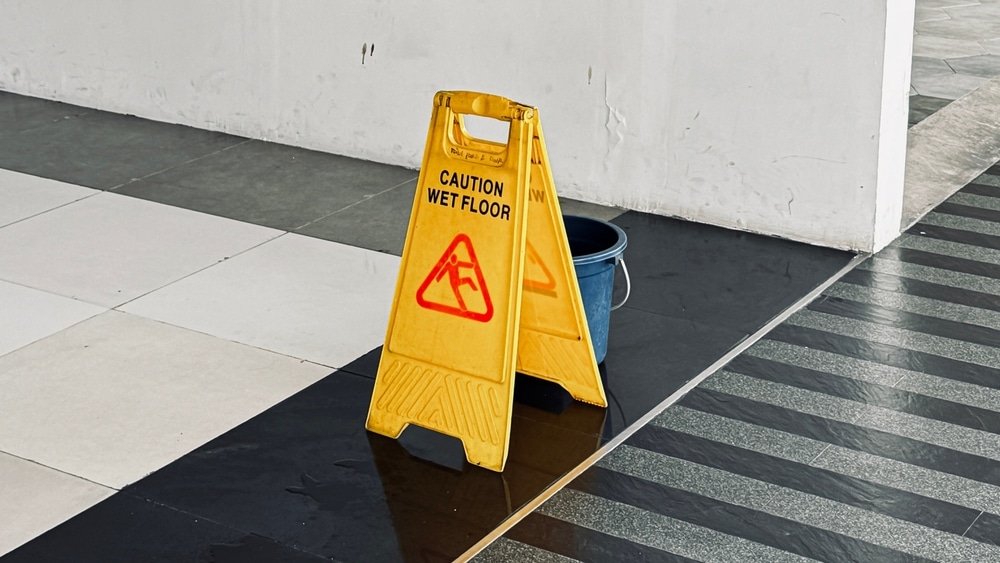
Wet floors and slick surfaces are a frequent cause of falls because they reduce the friction your shoes need to stay stable. Even a small amount of liquid can make a smooth floor dangerous, especially in entryways, restrooms, kitchens, and retail aisles. A fall can happen in seconds before you have time to react.
These incidents are not limited to water. Cleaning products, wax, oil, grease, and spilled drinks can all create slippery conditions. In some cases, the legal issue is whether the property owner knew or should have known about the hazard and failed to clean it up or post a warning.
Can Uneven Flooring and Walkways Cause Serious Injuries?
Yes, uneven walking surfaces can cause serious injuries because they create a tripping hazard that disrupts your balance. A raised sidewalk slab, loose step, torn carpet, or damaged parking lot surface may not seem dramatic, but it can send a person forward or sideways with force. Falls such as these may lead to broken bones, head injuries, back injuries, or joint damage.
Uneven surfaces are often tied to maintenance issues that developed over time. That can matter in a legal claim because it may suggest the condition existed long enough for someone responsible for the property to discover and fix it. Photos of the area and records showing prior complaints can be useful in these cases.
Does Poor Lighting Increase the Risk of Slip and Fall Accidents?
Yes, poor lighting can increase the risk of a slip and fall because it makes hazards harder to see. If a stairwell, hallway, parking lot, or walkway is dim, you may not notice a puddle, broken step, curb edge, or change in elevation until it is too late.
Lighting issues can also affect how a property is evaluated after a fall. Burned-out bulbs, missing fixtures, or poorly lit entrances may support the argument that the area was not reasonably safe for visitors. In many cases, lighting works together with another hazard, such as debris or uneven ground, to cause the fall.
Are Stairs and Handrail Problems a Common Cause of Slip and Fall Accidents?
Yes, stair and handrail problems are a common source of fall injuries. Stairs require stable footing, consistent step height, and secure handrails, and when one of those elements is missing, the risk of a fall rises quickly. A person may lose balance on a broken step or have nothing to grab if a handrail is loose or missing.
These cases may involve building code issues, worn materials, or delayed repairs. The property condition should be reviewed carefully because a stair-related fall can result from several factors at once. A dangerous staircase may involve poor lighting, slippery surfaces, and structural defects in the same location.
Property conditions on stairs can be harder to evaluate without a closer review of the scene. Details such as the angle of the steps, the handrail placement, and visible wear may all matter when looking at fault.
What Stair Hazards Often Appear in These Cases?
Stair hazards often involve defects that make it harder to walk safely up or down the staircase. Some conditions are obvious, while others are easier to miss until someone gets hurt. Some of the most common causes of slip and fall accidents due to stairs include:
- Broken or uneven steps can interrupt a normal stride and cause a sudden fall.
- Loose, missing, or unstable handrails can leave you without support.
- Worn stair edges can reduce traction and make footing less stable.
- Debris or spills on steps can create both slip and trip risks.
- Inconsistent step height or depth can affect balance and timing.
What Evidence Helps Show the Cause of a Slip and Fall Accident?
Evidence helps connect your injuries to the condition that caused the fall. Without clear proof of the hazard, a property owner may argue that the condition was minor, open and obvious, or not present long enough to be addressed. Good documentation can make it easier to show what happened and why.
If you can do so safely, try to document the area as soon as possible after the incident. Conditions can change quickly after a fall, especially if staff clean the area or move objects shortly afterward. Medical evaluation also helps connect the timing of the fall to your injuries. Evidence that can help you build a strong case includes:
- Photos or video of the hazard can show the condition that caused the fall.
- Witness statements can support your account of what happened.
- Incident reports may show when the property owner learned about the event.
- Medical records can connect the fall to your physical injuries.
- Maintenance logs or surveillance footage may show whether the hazard existed earlier.
Learn More About the Most Common Causes of Slip and Fall Accidents
The common causes of slip and fall accidents often involve preventable property hazards, including wet floors, uneven surfaces, poor lighting, and stair defects. While not every fall leads to a legal claim, the cause of the accident can help show whether a property owner failed to keep the area reasonably safe.
If you were hurt in a fall and want to learn more about your legal options, contact Sweet James for a free consultation. We can review the facts of your case, discuss whether a property owner may be responsible, and help you take the next step.