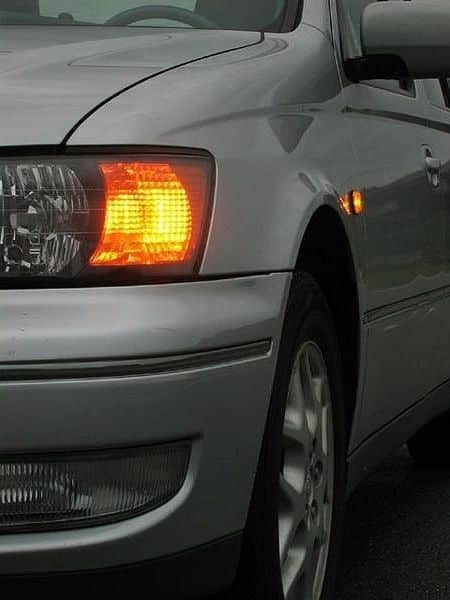

Uber and Lyft’s requirements for vehicles generally include age limits for the car, working safety features, valid registration, insurance, and a vehicle condition that meets company standards.
If you were hurt in a rideshare collision, questions about the vehicle can become part of a larger insurance and liability review. A car’s age, inspection status, and safety equipment may help show whether the rideshare driver was following platform rules at the time of the incident.
If the driver broke the rules, they could be held liable. Talk to a rideshare accident lawyer at Sweet James today and schedule a free consultation to see if you may be owed compensation after a rideshare accident.
What Basic Vehicle Requirements Do Uber and Lyft Usually Have?
Drivers need to provide proof that the vehicle meets platform rules before they can accept ride requests. Uber and Lyft require a four-door vehicle that meets a maximum age limit and is in good working condition. The vehicle also must have valid registration and insurance.
The car must be free from major cosmetic damage and mechanical problems. A rideshare company may reject vehicles with broken lights, damaged windows, missing parts, or safety issues. Cleanliness and overall condition may also matter during the approval process.
Do Uber and Lyft Require Vehicle Inspections?
Yes, Uber and Lyft often require a vehicle inspection before a driver can use the car on the platform. The inspection is meant to check whether the car meets basic safety and operating standards. It may review items such as brakes, tires, lights, mirrors, seat belts, and windshield condition.
Some drivers complete inspections through approved third parties, while others may use forms accepted by the rideshare company. Inspection rules can differ depending on the state or local regulations, and renewal periods may apply. A passed inspection does not always mean the vehicle was problem-free at the time of a later crash.
If an accident happens, inspection records may become relevant during the claim process. Sweet James can use them to show whether the vehicle had documented issues or whether the driver had kept the car in good shape.
How Old Can a Car Be for Uber or Lyft?
The permitted age of the vehicle may differ based on where the driver operates and which rideshare service is involved. One city or state may allow an older vehicle while another may require a newer one. Sweet James can look up the specific rules for your location.
Rideshare companies want vehicles that are more likely to meet passenger comfort and safety expectations. A newer car may also be more likely to have updated safety features and fewer maintenance issues.
What Safety Features Must a Rideshare Vehicle Have?
A rideshare vehicle usually must have basic safety features that allow it to be driven legally and safely. This includes working seat belts, headlights, brake lights, turn signals, mirrors, and tires with enough tread. The car should also have functioning doors and windows.
The vehicle must be reasonably fit to carry riders. If a safety feature is missing or broken, the driver may not meet the platform’s standards. In some cases, a damaged or poorly maintained vehicle may also create added risks during a collision.
After an accident, safety defects may become part of the review by insurers or by Sweet James attorneys. If a failure involving brakes, tires, or lights played a role, that fact could affect liability in your accident.
Why Do Uber and Lyft Vehicle Requirements Matter After an Accident?
Uber and Lyft vehicle requirements matter after an accident because they can affect the factual record surrounding the crash. If the vehicle did not meet company standards, that may raise questions about driver approval, maintenance, or compliance with platform rules. Those facts may matter even if they do not fully decide legal responsibility.
Rideshare claims often involve more than one insurance policy, and the driver’s status at the time of the collision can play a large part in which policies are active. Records involving the vehicle, inspection, and approval process are sometimes pulled by Sweet James’ attorneys, especially for new rideshare drivers.
Vehicle condition can also matter if a defect made the injuries worse. For example, worn tires or broken lights may become relevant if they contributed to the collision or the severity of the impact.
What Documents May Show Whether a Rideshare Vehicle Met Company Rules?
Common records may include platform application submissions, inspection forms, registration papers, and insurance information. In some cases, repair records or photographs of the vehicle may also help show its condition. The right records depend on the facts of the collision and the issues in dispute.
Sweet James may request or review these materials when investigating a rideshare injury claim. That process can help identify whether vehicle eligibility is relevant to the case and whether the condition of the car played a part in what happened.
Talk to Sweet James About Uber and Lyft Vehicle Requirements
Uber and Lyft vehicle requirements can affect who is allowed to drive, what cars are used for rides, and what records may matter after a crash. While these rules do not always decide who is legally at fault, they can become part of the insurance and liability review.
If you were injured in a rideshare accident, looking at the driver’s vehicle status may help answer questions about the trip and the claim. Sweet James can review the facts of your case and explain how rideshare vehicle requirements may relate to your injuries and available legal options.
If you believe your rideshare driver was violating Uber or Lyft vehicle requirements after a crash, contact Sweet James today.