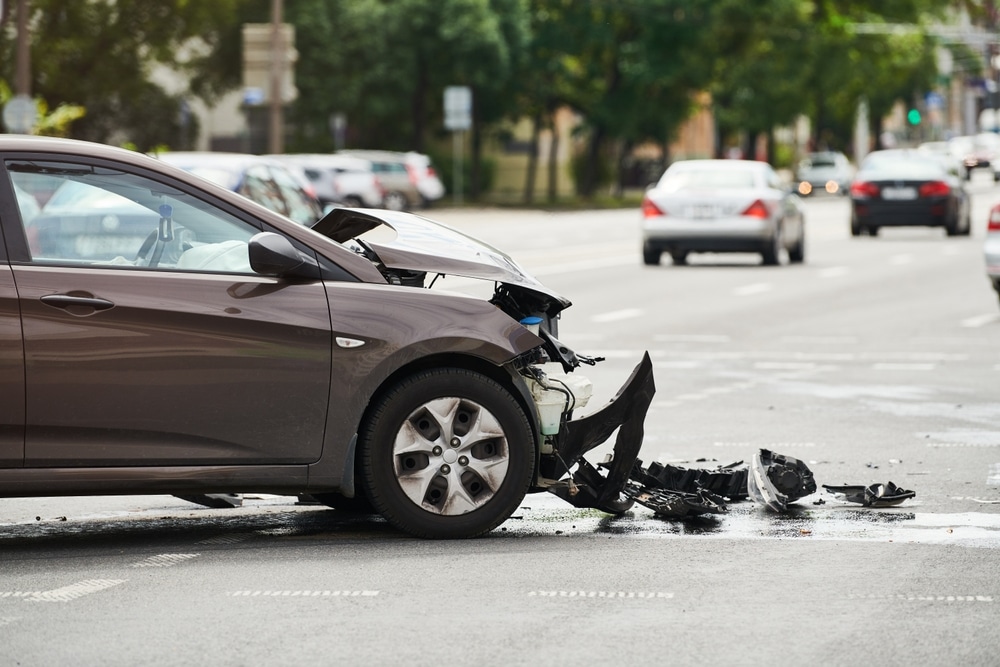
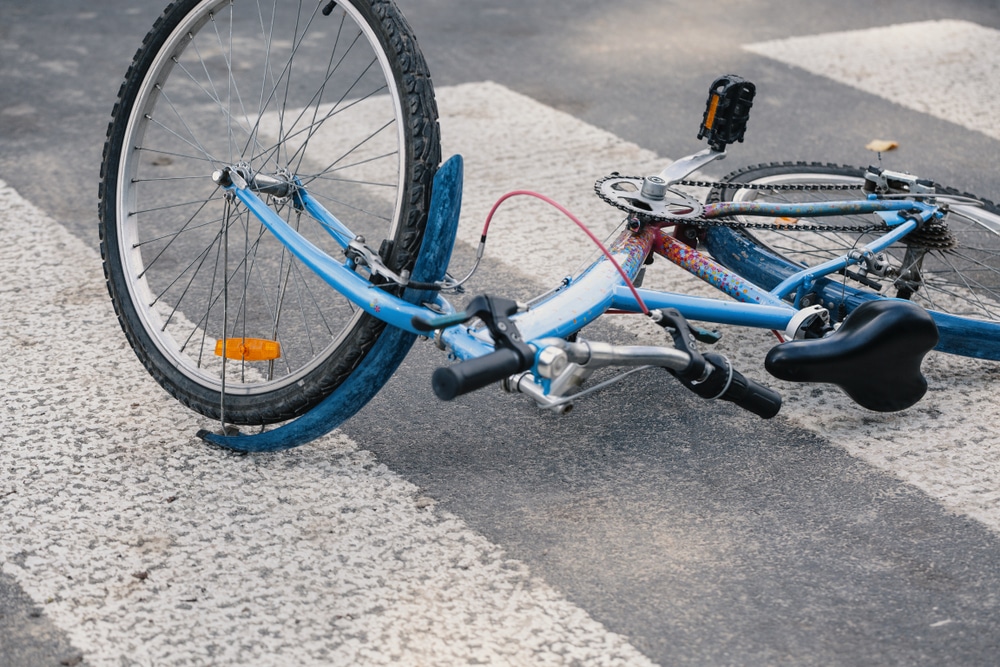
Yes, you should generally call the police after a pedestrian accident, especially if someone is injured or the scene is unsafe. Reporting the collision can help document what happened, and local law may require a report. If you were hit by a car, prioritize your safety and medical needs before gathering information.
Your health comes first, even if your injuries initially seem minor. Our pedestrian accident lawyers at Sweet James can explain when to request emergency assistance, what to tell officers, and how a pedestrian accident police report may affect an injury claim.
When Should You Call the Police After a Pedestrian Accident?
Call 911 after a pedestrian crash if anyone is injured, a vehicle creates an immediate traffic hazard, or you suspect the driver is impaired. Tell the dispatcher your location, including the nearest intersection or landmark, and whether you need medical help. Do not delay treatment while waiting to speak with an officer.
Move out of traffic if you can do so safely, but avoid moving someone with a potentially serious injury unless there is immediate danger. Follow the dispatcher’s instructions while you wait for law enforcement and emergency medical responders.
If there is no immediate danger or apparent injury, the local police nonemergency line may be appropriate. The dispatcher can explain whether an officer will respond and how to report the pedestrian collision.
Are You Legally Required to Report a Pedestrian Accident?
Pedestrian accident reporting requirements depend on the state and the circumstances of the crash. Injury, death, or property damage above a specified amount commonly triggers a reporting obligation. The rules may place different duties on drivers and other people involved.
Calling police after a pedestrian accident does not necessarily satisfy every reporting requirement. A separate written report to a motor vehicle agency, such as the Department of Motor Vehicles (DMV), or another authority may be required, sometimes within a short deadline.
You should also review any applicable insurance policy for notice requirements. A police report does not automatically notify an insurer or start a pedestrian injury claim. Accident-reporting deadlines are also separate from the statute of limitations or other deadlines that may apply to a personal injury lawsuit.
What Should You Tell the Responding Officer?
When you call the police after a pedestrian accident, give the officer a factual account of what you personally saw, heard, and experienced. Explain where you were walking and what happened before the impact.
If you do not know an answer, say so rather than guessing. Information that may help the officer document the pedestrian collision includes the following:
- Describe your direction of travel and whether you were in a marked or unmarked crosswalk, on a sidewalk, or near an intersection.
- Explain what you observed about traffic signals, pedestrian crossing signals, vehicle movement, visibility, and road conditions.
- Report any pain, dizziness, or other symptoms you are experiencing without trying to diagnose yourself.
- Identify witnesses and provide their contact information if you have it.
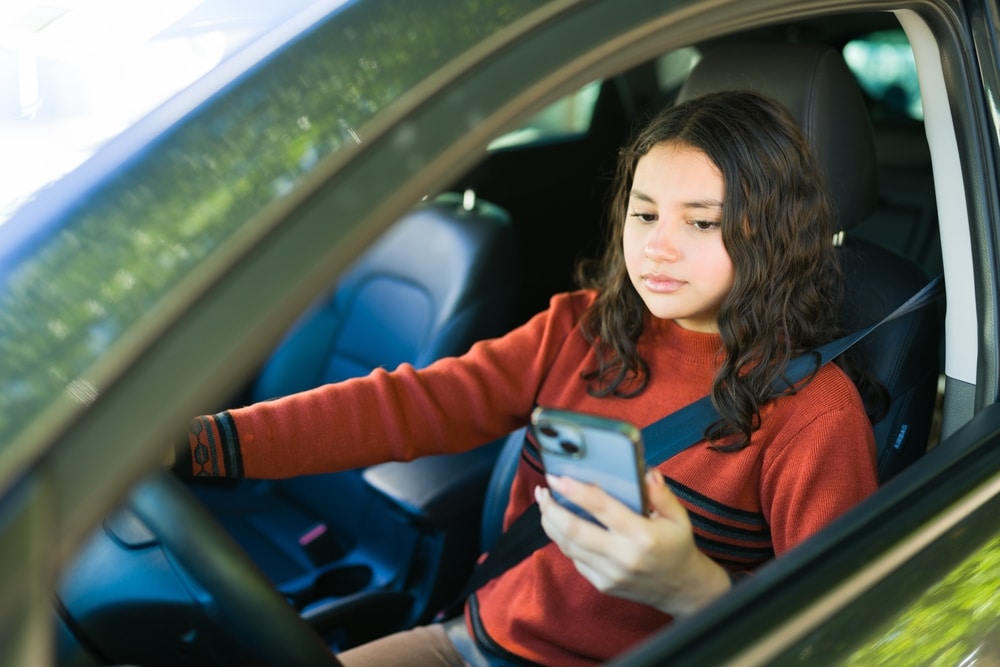
- Share any photographs, video, or vehicle details you safely collected, including any direct observations of possible distracted driving.
Avoid speculation about speed, distance, or who was legally responsible. Describe what happened rather than concluding negligence or right-of-way rules.
Answer honestly, but do not feel pressured to fill gaps in your memory. Ask how to obtain the police accident report and request an incident or report number.
Should You Still Report the Crash If You Feel Uninjured?
Yes, reporting a pedestrian accident is generally a sensible step even when you feel uninjured, although legal requirements vary. Some injuries become noticeable later, and you may not immediately recognize the effects of an impact. Do not promise the driver that you are unhurt or that you will not need treatment.
Consider a prompt medical evaluation, especially if a vehicle struck you or knocked you down. Head injuries and soft tissue injuries may not produce obvious symptoms immediately. Seek emergency medical care for serious or worsening symptoms. Medical records can document your condition and treatment, but your main reason for seeking care should be your health.
If the driver asks you to keep the collision private, you do not have to agree. An informal arrangement can leave important facts undocumented and may not satisfy applicable reporting duties.
What If the Police Do Not Come to the Scene?
An officer may not respond to every reported collision, depending on local procedures and available resources. If police do not come to the pedestrian accident scene, ask the dispatcher how to submit a report yourself and whether a deadline applies. The agency may offer online or in-person reporting.
Keep a record of when you called and any instructions you received. If you can safely gather information without delaying medical care, take these steps:
- Obtain the driver’s name, contact information, license plate number, and insurance details, including the insurance company and policy number.
- Photograph the scene, vehicle damage, nearby signs, traffic signals, and visible injuries.
- Ask witnesses for their names and contact information.
- Write down your recollection while the details are fresh, including the date, time, location, and weather conditions.
- Save confirmation of any report you submit.
If the driver leaves, do not follow or confront them. Report the possible hit-and-run, vehicle description, direction of travel, and any identifying details you remember. Your safety matters more than collecting additional evidence.
What Experience Does Sweet James Bring to Injury Cases?
Our attorneys have experience helping injury victims for over 25 years. With over 400 legal professionals, we are here to help you build a strong case and determine liability.
Our founding attorney, James Bergener, previously represented insurance carriers. That work gave him insight into how insurers evaluate and defend personal injury claims. Understanding that process can help when reviewing a police report, other evidence, and an insurer’s position on a claim.
Learn More About Calling the Police After a Pedestrian Accident
Get in touch with our team at Sweet James if you are unsure what to do after reporting a pedestrian accident to police. We can discuss the available documentation, explain relevant legal considerations, and help you understand your options. If available, have your report number, medical records, and insurance correspondence ready for that discussion.
Contact us to discuss your circumstances and the next steps for protecting your rights in a free consultation.