Insurance can cover pedestrian accident injuries, but payment depends on the available policies, who was responsible, and applicable state law. You may have more than one source of coverage for medical bills and other losses after being hit by a car.
Sweet James can help you understand your options after a pedestrian collision. Our pedestrian accident lawyers can help you understand whether your injuries are covered.
Which Insurance Policies May Cover Your Pedestrian Accident Injuries?
The driver’s auto liability insurance is often a starting point when the driver caused the collision. However, your own insurance may also provide pedestrian injury benefits, even though you were walking rather than driving. Depending on the policy terms and state law, potential sources of coverage include:
- The at-fault driver’s bodily injury liability coverage may pay for injuries and related losses for which the driver is legally responsible.
- Personal injury protection, or PIP, may cover certain medical expenses and lost income without requiring proof of fault. It is often associated with no-fault auto insurance systems.
- Medical payments coverage, often called MedPay, may help pay eligible medical expenses regardless of fault.
- Uninsured or underinsured motorist coverage may apply when the responsible driver has no insurance or insufficient coverage.
- Health insurance may help pay for covered treatment, subject to deductibles, copayments, and other plan requirements.
These coverages do not apply automatically to every pedestrian collision. Eligibility may depend on whether you qualify as an insured person, which vehicle was involved, and how the insurance policy defines a covered accident.
When Does the Driver’s Liability Insurance Pay?
A bodily injury liability claim for a pedestrian accident generally requires evidence that the insured driver was legally responsible for your injuries. That evidence may include witness accounts, video footage, crash reports, and medical records connecting your injuries to the collision.
The insurer may dispute fault, the extent of your injuries, or the amount of your losses. Unlike health insurance or certain benefits under your own auto policy, a liability claim generally does not pay each medical bill as it arrives. Payment commonly follows a settlement or judgment, subject to coverage.
Available payment also depends on policy limits, including any applicable per-person and per-accident limits. If several people were injured or your losses exceed the available coverage, the liability policy may not fully compensate you.
Can Your Own Auto Insurance Cover You While You Are Walking?
Your insurance may provide pedestrian injury coverage even when your vehicle was not involved. PIP, MedPay, and uninsured or underinsured motorist benefits can sometimes extend to you or qualifying household members injured while walking.
Each type of coverage serves a different purpose. PIP and MedPay generally address specified expenses, while uninsured or underinsured motorist bodily injury coverage may address broader losses when another driver is legally responsible. Uninsured motorist coverage is often abbreviated as UM, and underinsured motorist coverage as UIM.
Review the policy rather than assuming that owning auto insurance guarantees these benefits. The declarations page identifies listed coverages and limits, but the policy language and endorsements explain their scope.
What Happens If the Driver Is Uninsured or Leaves the Scene?
If the driver has no insurance, an uninsured motorist claim may be an option under an applicable auto policy. If the driver has insurance but not enough to cover your losses, underinsured motorist coverage may help, depending on state law and the policy’s requirements.
Hit-and-run pedestrian accident claims can involve additional conditions. Some policies or state laws require prompt reporting, evidence supporting your account, or physical contact with the unidentified vehicle, so documenting the circumstances matters.
Without applicable motorist coverage, health insurance and other available benefits may still help with treatment costs. A claim against the responsible person may also be possible, although obtaining a judgment does not guarantee that money can be collected.
What Expenses and Losses Might Insurance Cover?
An available liability or uninsured motorist bodily injury claim may include medical expenses, lost earnings, reduced earning capacity, and pain and suffering resulting from a pedestrian accident. Medical expenses may include ambulance transportation, emergency care, hospitalization, surgery, and physical therapy when related to the collision and otherwise recoverable.
Future losses, such as ongoing rehabilitation or reduced ability to work, may also be recoverable when supported by appropriate evidence and permitted by law.
PIP, MedPay, and health insurance generally provide narrower benefits. For example, health insurance typically pays covered medical costs rather than compensation for pain and suffering. Serious injuries, such as traumatic brain injuries, spinal cord injuries, or broken bones, may require continuing treatment that makes coverage limits especially important.
Can Shared Fault Affect Your Insurance Claim?
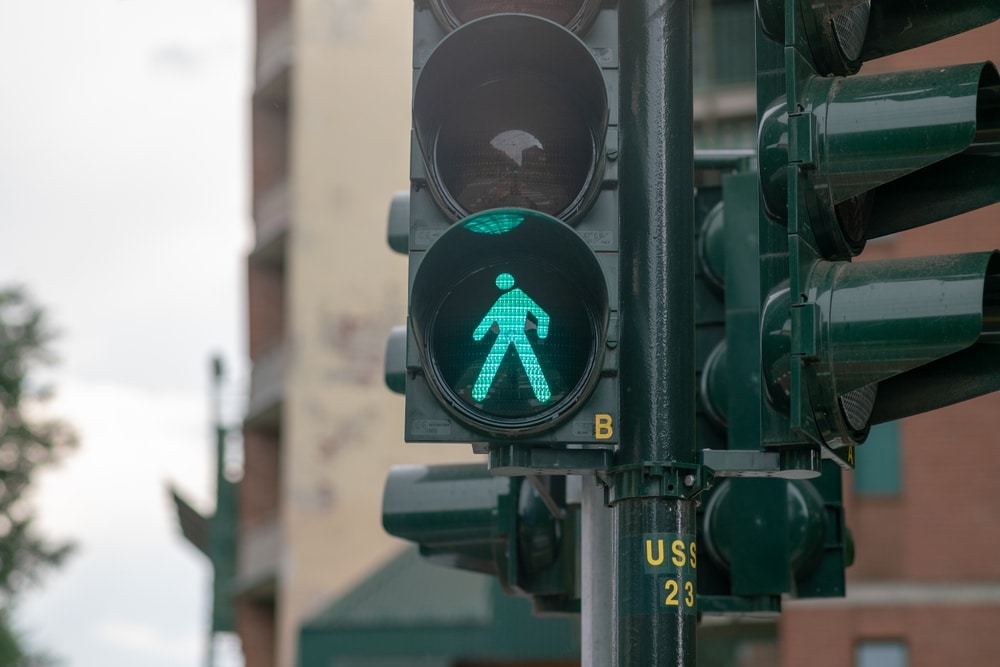
Being injured as a pedestrian does not automatically establish that the driver was entirely at fault. Insurers may examine traffic signals, crossing locations, visibility, driver behavior, and other evidence when evaluating responsibility. Whether the pedestrian or driver had the right of way can be relevant, but responsibility depends on the full circumstances and applicable law.
In many states, comparative fault rules can reduce pedestrian accident compensation according to your share of responsibility. Some states bar recovery at certain fault thresholds, while a few jurisdictions apply contributory negligence rules that can prevent recovery when you bear any legally relevant fault.
An insurer’s allegation is not the same as a final legal determination. Sweet James can help assess if your insurance covers your pedestrian accident injuries.
How Sweet James Can Help With Insurance Questions
Sweet James has attorneys with over 25 years of experience helping injury victims. Before founding the firm, James Bergener represented insurance carriers in personal injury and workers’ compensation cases. That experience gives him insight into how insurers evaluate and defend claims.
Our team can help review potential insurance coverage for your pedestrian injuries, gather evidence supporting your claim, and address disputes about fault or losses. This may include reviewing policy limits, documenting medical treatment and lost wages, and evaluating an insurance settlement offer.
The insurance available and the facts of your collision will guide the next steps; no particular recovery is guaranteed.
Learn More About If Insurance Covers Pedestrian Accident Injuries
Coverage questions can be difficult to address while recovering from an injury. Contact Sweet James to discuss the collision, the insurance that may apply, and the losses you are facing.
We can help you understand potential sources of compensation and issues that may affect your next steps. Contact us for a free consultation.