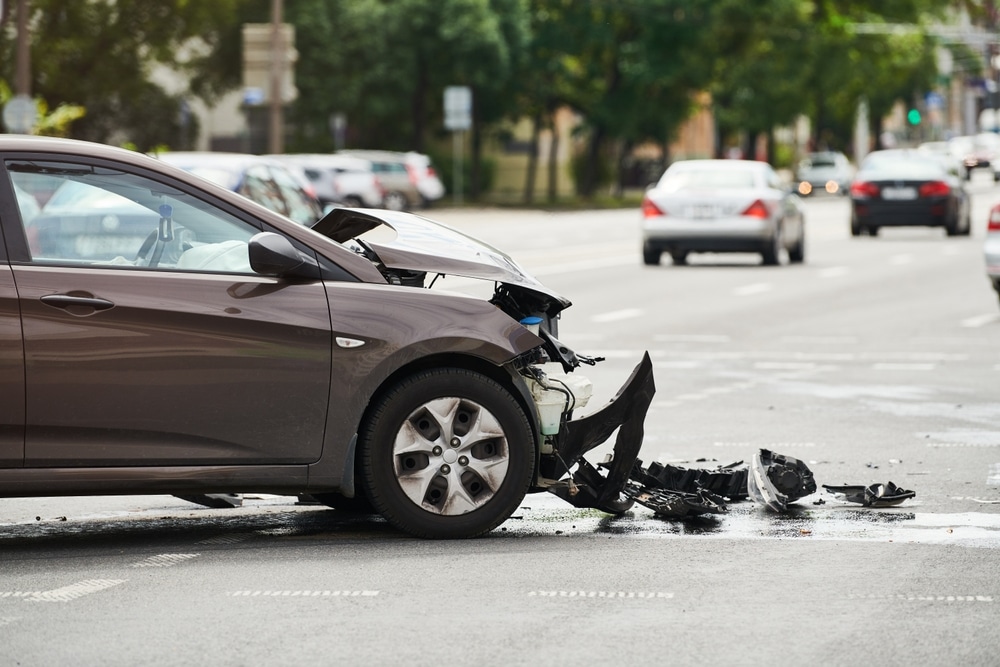
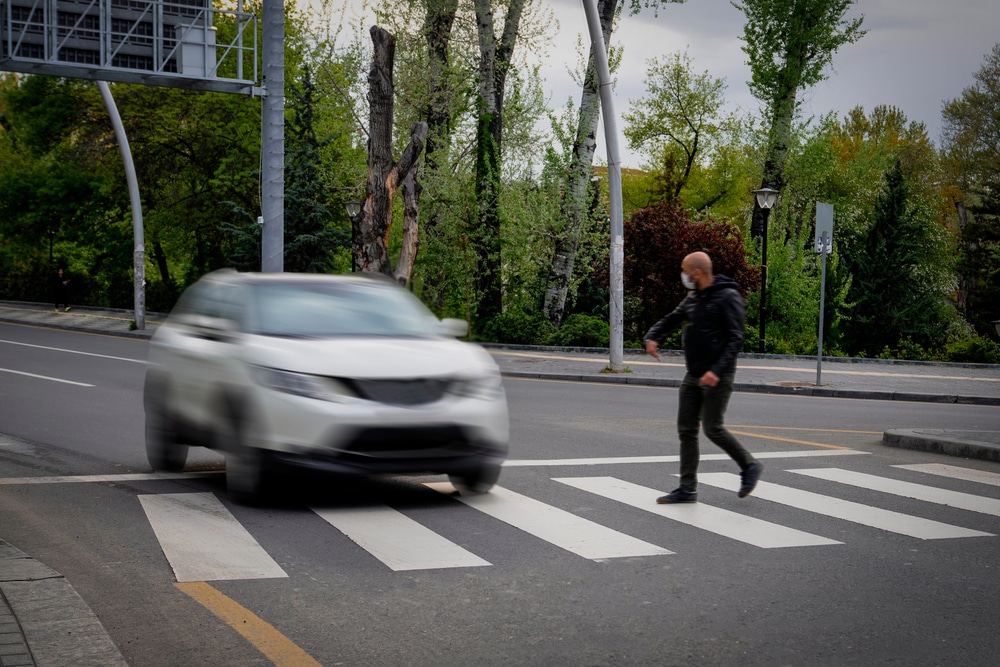
Common pedestrian accident injuries include head and brain injuries, broken legs and pelvises, spinal injuries, internal bleeding, and deep cuts or road rash. A person on foot has no seat belt, airbag, or metal frame, so the full force of a vehicle lands on the body.
Many pedestrians are hit twice in the same crash: once by the vehicle, and again by the pavement. At Sweet James, we see that pattern in the medical records of people hit at low and high speeds alike. A pedestrian accident lawyer can help connect each injury to the crash so none of them are left out of the claim.
Head and Brain Injuries
Head injuries are the leading concern for injured pedestrians. A mild brain injury, often called a concussion, can be easy to miss in the emergency room. The CDC lists symptoms that may appear right away or days later, including:
- Headaches, dizziness, or balance problems
- Sensitivity to light or noise
- Trouble focusing or remembering things
- Irritability, anxiety, or sadness
- Sleeping more or less than usual
Danger signs, such as a worsening headache, repeated vomiting, slurred speech, or one pupil larger than the other, call for emergency care. Sweet James makes sure delayed brain injury symptoms are documented, because insurers often argue that later symptoms came from something else.
Leg, Knee, and Pelvic Fractures
The legs usually take the first hit, since a car’s bumper lines up with the knees and shins of an adult. Common fractures include breaks in the shinbone, thighbone, knee, ankle, and hip. Some need surgery with plates, rods, or screws, followed by months of physical therapy. Pelvic fractures can also damage nearby organs and blood vessels.
A badly broken leg can change how a person walks for the rest of their life. Sweet James looks closely at how a fracture affects work and daily activity, since a healed bone doesn’t always mean a full recovery.
Spine and Spinal Cord Injuries
The force of being thrown onto a hood or the road can injure the spine. These injuries range from herniated discs and fractured vertebrae to damage to the spinal cord itself.
Spinal cord damage can cause partial or full paralysis below the injury, along with loss of feeling, bladder problems, and chronic pain. Even injuries that don’t involve the cord can lead to lasting nerve pain and limited movement.
Spinal injuries often require lifelong care, from surgery to home changes and assistive devices. Sweet James works with treating doctors to estimate those future needs before any settlement is discussed.
Internal Injuries That Don’t Show Right Away
Some serious injuries can’t be seen at all. A blow to the chest or abdomen can damage the spleen, liver, kidneys, or lungs, or cause bleeding inside the body.
Internal bleeding can develop slowly, and a person may feel only mild pain at first. Warning signs can include belly pain, dizziness, a fast heartbeat, or bruising across the abdomen, and anyone with these symptoms should get emergency care.
This is one reason a medical exam right after a crash matters, even if you walked away feeling shaken but fine. Sweet James sees insurers use a delay in treatment to question whether an injury came from the crash.
Road Rash, Cuts, and Scarring
Skin injuries can look minor next to a broken bone, but they often cause lasting harm. Sliding across asphalt can scrape away layers of skin, and broken glass or metal can cause deep cuts.
Severe road rash may need skin grafts and carries a real risk of infection. Scars, especially on the face, hands, or legs, can affect a person’s confidence and how they feel in public for years.
Scarring and disfigurement are recognized parts of an injury claim in many states. Sweet James documents wounds with photos throughout healing, so the claim shows how serious they were before they faded.
How Speed and Vehicle Size Shape Pedestrian Injuries
Two factors have a large effect on how badly a pedestrian is hurt: how fast the vehicle was moving and how tall its front end is.
The research on both is detailed:
- At an impact speed of 23 mph, the average risk of death for a pedestrian is about 10%, rising to 50% at 42 mph and 90% at 58 mph, according to a 2011 study by the AAA Foundation for Traffic Safety.
- Vehicles with a hood edge higher than 40 inches are about 45% more likely to cause pedestrian deaths than vehicles with hoods 30 inches or lower and a sloped front, according to a November 2023 IIHS study.
- In 2023, SUVs, pickups, and vans struck the pedestrian in 3,016 of the 6,280 single-vehicle pedestrian deaths where the first impact was with the pedestrian, compared with 2,020 for passenger cars, according to the NHTSA.
A tall pickup or SUV tends to strike the hips, chest, and head first instead of the legs. Sweet James uses speed and vehicle data to explain why a pedestrian’s injuries were so severe.
Emotional and Psychological Injuries
Not every injury shows up on an X-ray. Many pedestrians develop anxiety, depression, or post-traumatic stress after a crash, and some become afraid to cross streets or walk near traffic.
According to the National Institute of Mental Health, post-traumatic stress disorder can include flashbacks, nightmares, avoidance, and feeling on edge, with symptoms lasting more than a month. These conditions can be diagnosed and treated, and they count as part of the harm caused by the crash.
Sweet James includes counseling records and therapist notes in the claim, so emotional injuries are valued alongside physical ones.
Pedestrian Accident Injury FAQs
These answers cover common questions about injuries from pedestrian crashes.
Should I See a Doctor if I Feel Fine After Being Hit?
You should see a doctor even if you feel fine after being hit, because brain injuries and internal bleeding can take hours or days to show symptoms. A prompt exam also creates a record linking any later diagnosis to the crash.
Are Older Pedestrians More Likely to Be Seriously Hurt?
Older pedestrians are more likely to be seriously hurt, in part because bones break more easily and heal more slowly with age. In 2023, 19% of people 65 and older killed in traffic crashes in the U.S. were pedestrians, according to the NHTSA.
Can I Recover Compensation for an Injury That Appears Later?
You can usually recover compensation for an injury that appears later, as long as medical evidence connects it to the crash and you file within the legal deadline. Telling your doctor about every new symptom helps build that connection.
Talk to Sweet James About Your Pedestrian Accident Injuries
Common pedestrian accident injuries can take months or years to heal, and some never fully do. Sweet James has recovered $1 million for a pedestrian injured in San Francisco, and our team understands how these injuries affect work, family, and daily life. Past results do not guarantee future outcomes.
Schedule a free consultation with Sweet James to talk about your injuries and your options. You pay no fees or costs unless we win, and our team answers calls 24/7, including in Spanish.