Liability after a California car accident is determined by examining how the crash happened, which driver(s) failed to use reasonable care, and whether those actions caused the resulting injuries and losses.
At Sweet James, we will review reports, photographs, video, witness accounts, medical records, and other evidence when responsibility is disputed. A California car accident lawyer can explain how that evidence may affect your claim.
Determining fault is not always as simple as looking at which vehicle was damaged or who received a citation. More than one driver can sometimes share responsibility for the same collision.
What Must Be Proven to Establish Negligence in California?
Establishing negligence generally requires showing that another person owed you a duty of care, failed to meet that duty, and caused damages as a result.
California Civil Code § 1714 sets California’s general rule that people are responsible for injuries caused by their failure to use ordinary care.
To prove negligence, you generally need to show four things:
- Duty: The other driver was expected to drive with reasonable care.
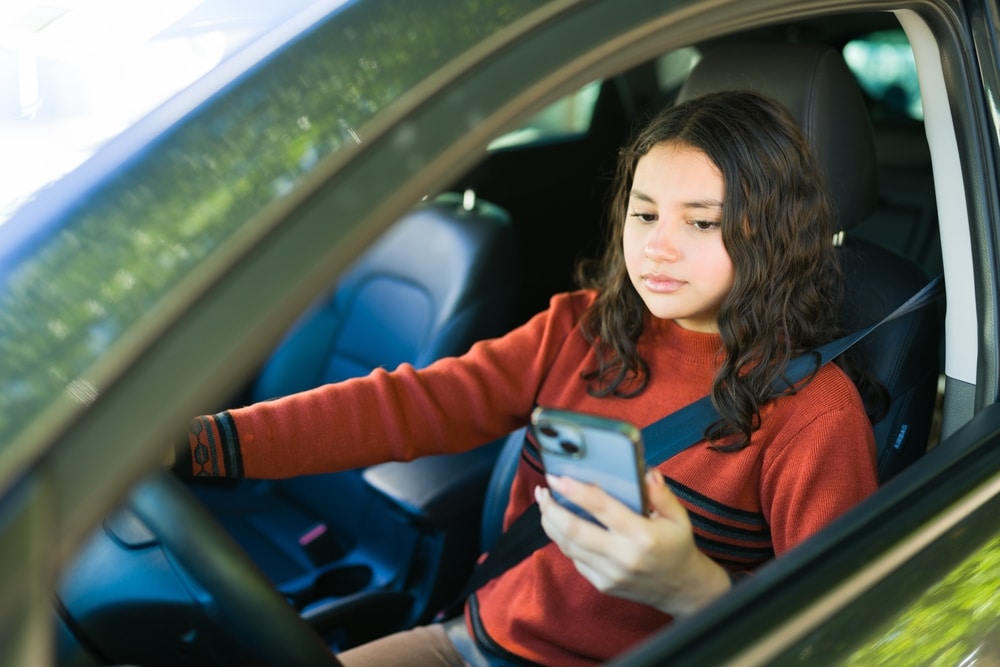
- Breach: They failed to do that, such as by speeding, driving distracted, or failing to yield.
- Causation: Their actions helped cause the crash and your injuries.
- Damages: You suffered losses because of what happened, such as medical bills, lost income, or pain and suffering.
Sweet James can review the evidence supporting each element rather than relying on one document or statement alone.
What Evidence Is Used to Determine Fault After a California Car Accident?
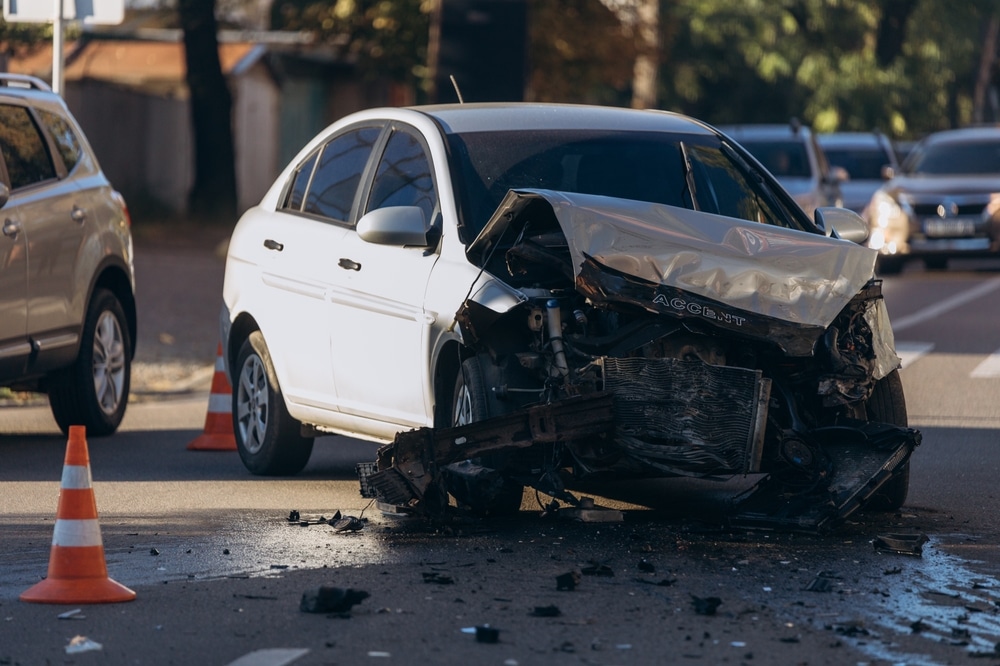
Evidence used to determine fault after a California car accident can include official reports, photographs, video footage, witness statements, vehicle damage, and electronic records.
Useful evidence may include:
- Police or collision reports
- Dashcam or surveillance footage
- Photographs of the vehicles and road
- Witness statements
- Traffic-signal or roadway information
- Vehicle data when available
- Medical records documenting the injuries
California also has specific accident-reporting requirements. Under California Vehicle Code § 20008, a driver involved in a crash resulting in injury or death generally must make a written report to the California Highway Patrol or the appropriate local police department within 24 hours.
Depending on where the crash occurred, records may therefore involve entities such as the California Highway Patrol, a local police department, or the California Department of Motor Vehicles.
At Sweet James, we can gather available records and compare them with the other evidence showing how the collision occurred.
How Does Comparative Negligence Affect Liability in California?
California’s comparative negligence system allows responsibility to be divided when more than one person contributed to an accident.
Under the rule adopted by the California Supreme Court in Li v. Yellow Cab Co. (1975), an injured person can still recover damages when they share responsibility, although their recovery is generally reduced according to their percentage of fault.
For example:
- If you are 0% at fault, there is no comparative fault reduction.
- If you are 20% at fault and have $100,000 in damages, the amount you receive would be reduced to $80,000.
- If you are found mostly at fault, California’s pure comparative negligence rule can still permit recovery of the remaining percentage.
Sweet James can review the evidence used to assign fault when another driver or insurer claims that you contributed to the crash.
Does a Police Report Decide Who Is Liable?
A police report can provide useful evidence, but it does not necessarily determine civil liability by itself.
The report may contain observations from the scene, driver and witness statements, diagrams, citations, and other information collected by the investigating officer.
Other evidence can still support a different understanding of what happened.
At Sweet James, we can compare the report with photographs, video, witness accounts, vehicle damage, and other available records when fault is disputed.
Can More Than One Driver Be Responsible for the Same Accident?
More than one driver can be responsible for the same California car accident.
For example, one driver may fail to yield while another is speeding, meaning both actions contributed to the collision.
When several people share responsibility, California’s comparative-fault rules can assign a percentage of fault to each party.
Different rules can also affect how damages are allocated among multiple defendants, particularly for non-economic damages under California Civil Code § 1431.2.
What Damages Can You Recover After Liability Is Established?
Damages after a California car accident can include financial losses and the personal effects of your injuries when those losses are supported by the evidence.
Under California Civil Code § 3333, damages for a civil wrong generally include compensation for the detriment proximately caused by the wrongful act.
Recoverable losses may include:
- Medical expenses
- Future treatment costs
- Lost wages
- Reduced earning capacity
- Vehicle and property damage
- Pain and suffering
- Other accident-related losses
The amount depends on the injuries and losses in the particular case rather than a standard California car accident value.
Sweet James can review medical, financial, and employment records to document the losses being claimed.
Sweet James’ Results in California Car Accident Cases
Sweet James has published results involving California motor vehicle accidents.
Our firm’s case results include a $17,476,817 recovery in a Hanford, California auto accident case, $1.75 million for a Los Angeles County car accident case, and $1.3 million for a motor vehicle accident case in Anaheim.
Past results do not guarantee future outcomes, so these figures should not be treated as averages or predictions for another car accident claim. Every case depends on its own injuries, liability evidence, insurance coverage, and other circumstances.
How Can Sweet James Help Determine Liability?
Sweet James can investigate a California car accident by gathering available evidence and reviewing how each driver’s conduct contributed to the collision.
Our work may include:
- Obtaining crash reports
- Preserving video and photographs
- Reviewing witness statements
- Examining vehicle damage
- Gathering medical records
- Reviewing insurance coverage
- Working with appropriate professionals when technical analysis is needed
Our team has more than 400 legal professionals and 600+ five-star reviews. You can learn more about Sweet James and our firm’s approach to representing people injured in accidents by contacting us today.
California Car Accident Liability FAQs
Here are some common questions about how liability and fault work after a California crash.
Do I Need to Report a Minor Car Accident in California?
You may need to report a minor car accident in California depending on whether anyone was injured and the amount of property damage.
The California DMV states that drivers must report an accident when it causes injury, death, or more than $1,000 in property damage, regardless of fault.
The reporting requirement is separate from determining who caused the collision.
How Long Do I Have to File a California Car Accident Injury Lawsuit?
You generally have two years to file many California personal injury lawsuits arising from a car accident. California Code of Civil Procedure § 335.1 provides the general two-year limitations period for actions involving injury caused by another person’s wrongful act or neglect.
Exceptions and different deadlines can apply, including some claims involving government entities.
How Do Insurance Companies Determine Fault After a Car Accident?
Insurance companies determine fault by reviewing the available evidence and applying the relevant traffic and negligence rules. That review may include police reports, statements from the drivers and witnesses, photographs, video, vehicle damage, and other records.
An insurer’s initial fault assessment is not necessarily the final legal determination if the evidence supports a different allocation of responsibility.
What if the Police Report Contains an Error?
An error in a police report does not automatically determine who is liable for a California car accident. Other evidence, such as photographs, video footage, witness accounts, or physical evidence, can sometimes clarify or contradict information contained in the report.
Sweet James can review the report alongside the rest of the available evidence when there is a dispute about what happened.
What if the At-Fault Driver Does Not Have Insurance?
If the at-fault driver does not have insurance, compensation may still be available through applicable uninsured motorist coverage or another legally responsible party. Whether uninsured motorist coverage applies depends on your policy and the circumstances of the collision.
You generally still need evidence showing that the uninsured driver was legally responsible for the crash and the losses being claimed.
Talk to Sweet James About Liability After a California Car Accident
Liability after a California car accident depends on the evidence showing how the crash happened, whether a driver was negligent, and whether more than one person contributed to the collision.
Sweet James can review the reports, photographs, video, medical records, and other evidence connected with your accident and explain how California’s liability rules may apply.
Contact us today for a free case review.