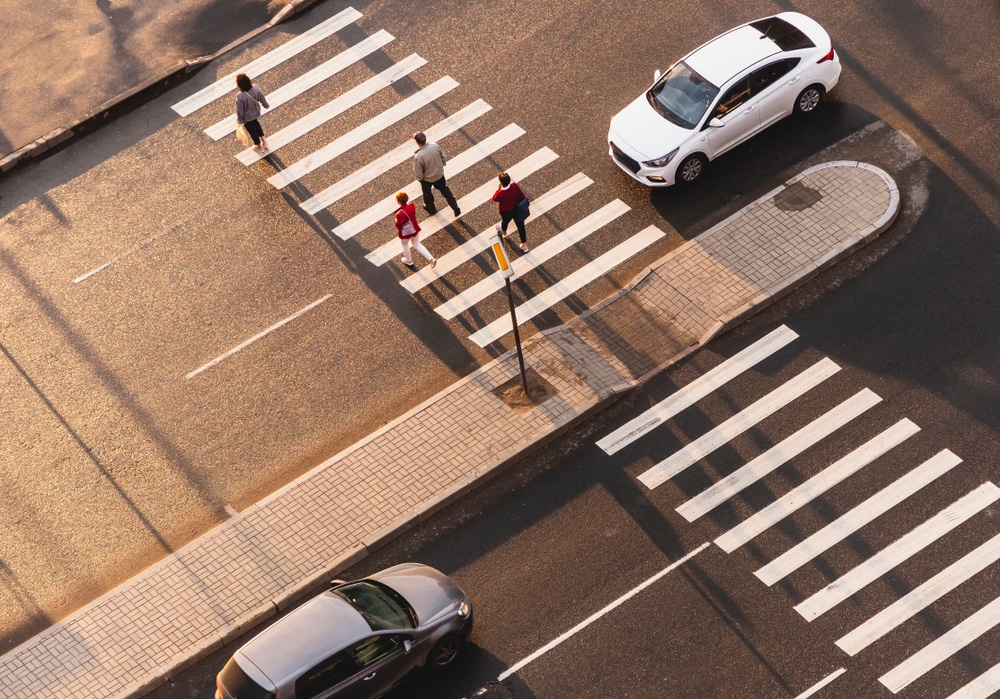
Common causes of pedestrian accidents include distracted driving, speeding, failure to yield, impaired driving, and unsafe turns. Poor visibility and hazardous road conditions can also contribute. Establishing responsibility requires examining how these factors contributed to the collision, rather than assuming that one person’s actions explain everything.
A Newport Beach pedestrian accident lawyer from Sweet James can investigate what happened, identify potentially responsible parties, and explain how the evidence supports a claim for your injuries and losses.
Why Are Distraction and Speeding Common Causes of Pedestrian Accidents?
Drivers need time to see a pedestrian, recognize a danger, and respond. Distraction delays that process, while excessive speed reduces the time available and increases stopping distance. Together, these behaviors can leave a driver unable to avoid someone crossing ahead.
Distracted Driving
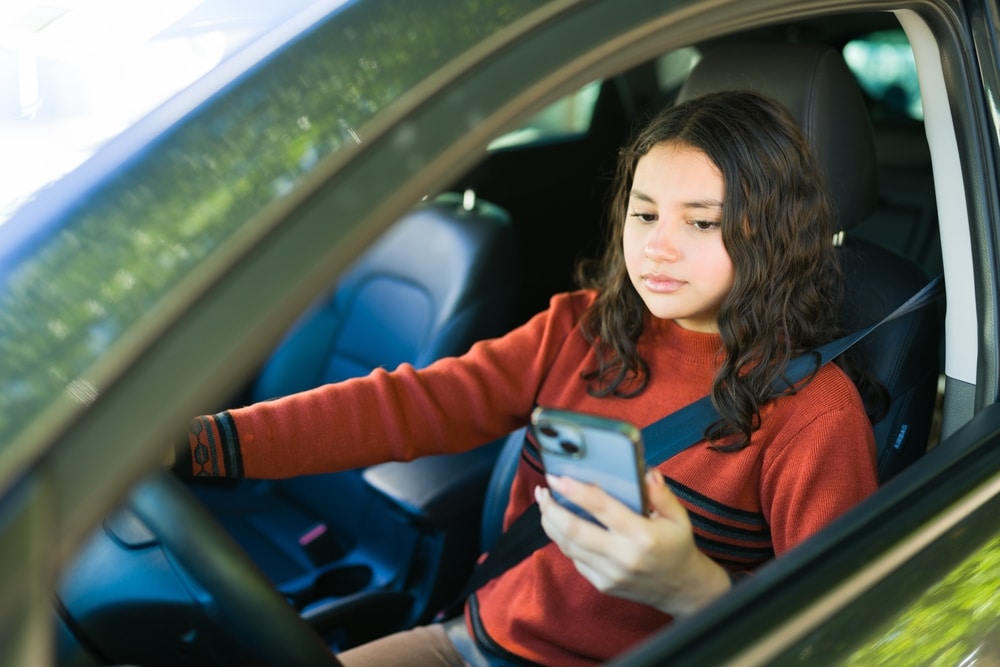
Texting, adjusting directions, eating, and reaching for objects can take a driver’s attention away from the road. A driver looking down while approaching an intersection can miss both a changing signal and a pedestrian entering the crosswalk.
Sweet James investigates distraction through witness statements, video, and other available evidence. Phone records obtained through the appropriate legal process can help establish activity around the time of the collision, but those records alone do not always show what the driver was doing.
Speeding or Driving Too Fast for Conditions
Higher speeds increase both stopping distance and impact force. California’s basic speed law also requires drivers to travel at a speed that is reasonable for current conditions. Staying below the posted limit does not excuse driving too fast for rain, traffic, or limited visibility.
We compare evidence of vehicle speed with the road layout, sightlines, and braking opportunities. Skid marks, recordings, and available vehicle data can help determine whether speed contributed to the collision or increased the severity of your injuries.
How Does Failure to Yield Lead to Pedestrian Collisions?
Failure to yield puts pedestrians at risk when drivers proceed through a crossing without allowing them to pass safely. This includes turning across a crosswalk, rolling through a stop sign, or passing a vehicle that has stopped for someone crossing.
California generally requires drivers to yield to pedestrians in marked crosswalks and unmarked crosswalks at intersections, subject to applicable signals and crossing rules. Painted lines are not required for every legal crosswalk. Drivers must also use reasonable care to protect pedestrians outside crosswalks.
When an insurer disputes right of way, we examine the crossing location, signal display, and timing of each person’s movements. A green light does not give a turning driver unrestricted permission to enter an occupied crosswalk.
How Do Visibility and Road Conditions Cause Pedestrian Accidents?
Darkness, sun glare, rain, and fog can reduce the distance at which a driver sees someone walking. Parked vehicles, vegetation, and construction barriers can also obstruct the view between a driver and a pedestrian approaching the road.
These conditions are among the factors that cause pedestrian accidents, but they do not automatically excuse a driver’s conduct. We examine whether the driver reduced speed, watched for pedestrians, and responded reasonably to the visibility available.
Road conditions that warrant further investigation include:
- Malfunctioning traffic or pedestrian signals.
- Obstructions that conceal a crossing or approaching pedestrians.
- Damaged walking routes that direct people toward vehicle traffic.
- Faded markings combined with other conditions that make a crossing difficult to identify.
- Construction layouts that create conflicts between vehicles and pedestrians.
A roadway defect does not automatically make a city or property owner liable. Public-property claims require proof of specific legal elements, including a dangerous condition that caused the injury and qualifying employee conduct or sufficient notice. Government defenses can also affect recovery.
Why Are Turning and Backing Vehicles Dangerous to Pedestrians?
Turning and backing are frequent causes of pedestrian collisions because drivers must check areas beyond the traffic directly ahead. Focusing on approaching vehicles while overlooking the path of the turn can put a pedestrian directly in danger.
Left and Right Turns
A driver turning left may concentrate on finding a gap in oncoming traffic and overlook the crosswalk. During a right turn, the driver may look left for approaching cars while failing to check for pedestrians coming from the right.
California generally permits a right turn on a circular red light after a complete stop unless a sign prohibits it. The driver must yield as required and turn only when safe. A red arrow prohibits the turn until a signal permits it.
Backing From Parking Spaces and Driveways
Drivers reversing from parking spaces, alleys, or driveways must be mindful of people behind the vehicle. Backup cameras and sensors assist with visibility, but drivers still need to check their surroundings and reverse carefully.
Sweet James examines the vehicle’s movement, the pedestrian’s location, and whether obstructions limited visibility. Nearby security footage can show whether the driver paused, checked behind the vehicle, or continued backing after someone entered its path.
Can a Pedestrian Share Responsibility for an Accident?
Yes. Entering the road against a signal or stepping suddenly into a vehicle’s path can contribute to a collision. Looking at a phone is relevant when it affects your conduct, but the mere presence of a phone does not establish fault.
California uses pure comparative negligence. Your compensation is generally reduced by your percentage of responsibility, and being more than 50% at fault does not automatically prevent recovery. Sweet James assesses both your actions and the driver’s conduct before evaluating an insurer’s allocation of fault.
What Should You Do After a Pedestrian Accident?
Get medical attention and call 911 when emergency assistance is needed. Do not delay care to investigate the collision yourself. When your condition and the surroundings allow, preserve the following information:
- The driver’s name, insurance details, and license plate number.
- Witness names and contact information.
- Photos of the crossing, signals, vehicle positions, and visible injuries.
- The responding police agency and collision report number.
- Treatment records, receipts, and documents showing missed work.
Discuss filing deadlines before waiting for a complete evidence file. California generally allows two years to file a personal injury lawsuit. Claims against California public entities usually require an administrative claim within six months, followed by separate lawsuit deadlines. Exceptions can apply.
Let Sweet James Investigate The Cause of Your Pedestrian Accident
Identifying the cause of a collision helps establish who should be held responsible. At Sweet James, we review driver conduct, roadway conditions, and available evidence to build a claim that addresses the reasons an insurer may dispute payment.
Our founding attorney, James Bergener, previously represented insurance carriers in personal injury and workers’ compensation cases. His experience provides insight into how insurers evaluate evidence and defend injury claims.
Contact Sweet James for a free consultation about your pedestrian accident. We can discuss the investigation your case needs and the losses you may pursue. We work on a contingency basis, with no fees or costs unless we win.