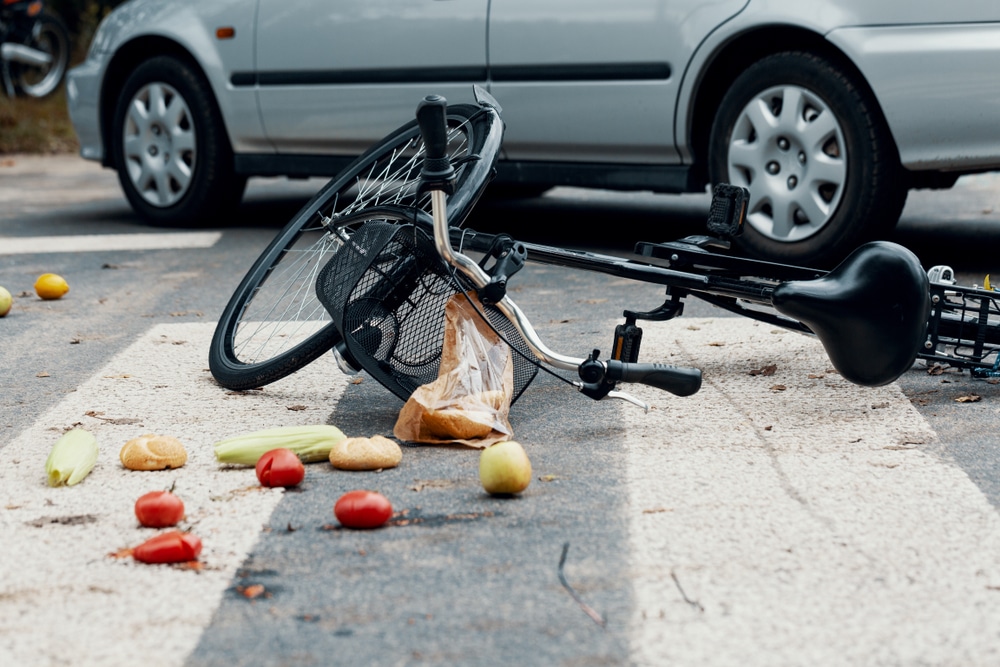
The evidence you should gather after a pedestrian accident includes scene photos, driver and witness information, the police report, medical records, and proof of lost income and other expenses. These records help establish how the collision occurred, who was responsible, and the losses you seek to recover.
Your safety and medical care come first. Call 911 for emergency assistance, and do not delay treatment to collect information. A Newport Beach pedestrian accident lawyer from Sweet James can help preserve evidence, obtain records, and explain how they support your claim.
What Evidence Should You Gather at the Pedestrian Accident Scene?
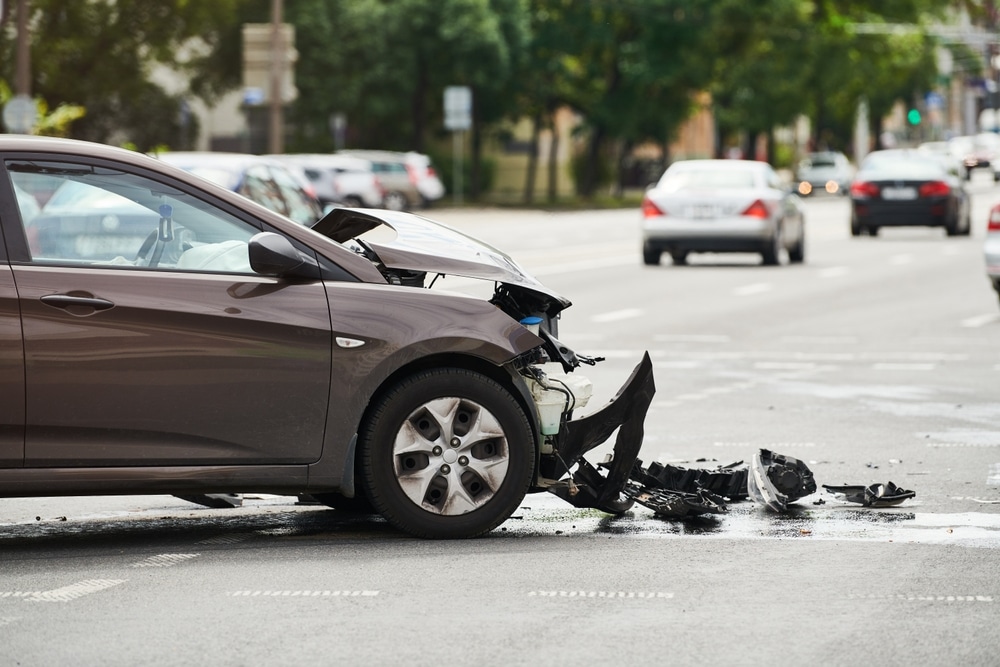
If you can safely take photos, capture the entire scene before focusing on individual details. Wide views show how the roadway, crossing, and vehicles relate to one another. Close-ups document damage and conditions that may be harder to identify later.
- Photograph the vehicle’s position, damage, and license plate.
- Capture crosswalk markings, sidewalks, traffic signals, pedestrian signals, and nearby signs.
- Document debris, skid marks, damaged belongings, and any visible signs of impact.
- Show lighting, weather, road conditions, and objects that blocked visibility.
- Photograph visible injuries when practical, with follow-up images as bruising or swelling changes.
Keep the original files, including any date, time, or location information stored with them. A photo taken afterward does not establish which signal was showing when you were struck. Sweet James can compare scene images with witness accounts and other records to determine what they show about the collision.
What Driver and Witness Information Should You Collect?
Ask the driver for their name, contact details, insurance company, policy number, and vehicle information. Photograph their license plate and insurance card if they allow it. If the driver leaves, record identifying details and their direction of travel for police. Do not follow the vehicle.
For each witness, collect the following information:
- Their name and preferred phone number or email address.
- Where they were when the collision occurred.
- What they personally saw or heard.
- Whether they have photos, video, or dashcam recordings.
Write your own account while the details are fresh. Include the time, location, direction you were walking, and any driver statements you remember. Separate what you observed from information you learned afterward. If you do not remember a detail, leave that gap rather than estimating or guessing.
How Do You Get a Police Report in Newport Beach?
Ask the responding officer for the agency name and report or incident number. Request the report from the agency that investigated the collision. For reports prepared by the Newport Beach Police Department, involved parties and their authorized representatives can use the department’s records request process.
A collision report can identify drivers, witnesses, statements, citations, and roadway conditions. It may also contain a diagram or the officer’s observations. We use this information to investigate your claim, but the report does not settle the question of fault on its own.
Review your copy for factual errors, such as an incorrect location or missing witness details. Ask the agency how to submit a correction or additional information, and retain the documents supporting your request. Keep the report itself unchanged.
What Medical and Financial Evidence Should You Gather After a Pedestrian Accident?
Medical records and financial documents connect your injuries to the compensation you seek. When we review the evidence gathered after a pedestrian accident, we look for documentation of your diagnosis, treatment, work restrictions, and related expenses.
Medical Records and Treatment Costs
Get medical care as soon as you can. Tell your provider how the collision occurred, describe your symptoms accurately, and explain any relevant preexisting conditions or changes since the accident. Report new or worsening symptoms so your provider can assess them.
- Keep ambulance records, emergency department records, imaging results, and treatment notes.
- Save referrals, rehabilitation records, discharge instructions, and written activity restrictions.
- Retain medical bills, insurance payment statements, and receipts for prescriptions or medical equipment.
Lost Income and Other Expenses
Save pay stubs, employer correspondence, and records showing time missed from work or reduced earnings. If you are self-employed, retain invoices, contracts, and business records documenting the income you lost. Keep receipts for injury-related expenses, including transportation to medical appointments.
Sweet James will review these records alongside your medical restrictions to explain how your injuries affected your ability to work. A list of missed workdays is more useful when it is supported by employment and treatment records.
Changes to Your Daily Life
Keep a dated record of pain, sleep disruption, mobility limits, and activities you cannot perform or need help completing. Use specific descriptions, such as how long you can stand or which household tasks require assistance. These entries can help document losses that medical bills alone do not show.
How Can You Preserve Surveillance Footage?
Video is another source of evidence to collect after a pedestrian accident. Note nearby businesses, homes, parking facilities, and vehicles with cameras. Record their locations and the approximate time of collision. Not every camera records footage, and recordings can be overwritten before you request them.
Sweet James can contact camera owners to request preservation of footage from a specific date and time window. A request does not automatically give us access to the recording. Obtaining a copy may require the owner’s cooperation or a subpoena through the legal process.
Tell us about possible footage early, including any dashcam recordings witnesses mention. Vehicle data may also help establish whether the vehicle was braking or moving before impact, depending on the vehicle and the data available. We assess whether that information can be obtained and whether a qualified technician is needed to preserve it.
What If You Could Not Collect Evidence at the Scene?
You can still seek legal help without scene photos or witness contact information. We can review police and emergency response records, contact identified witnesses, and investigate available recordings. The information you already have gives us a starting point for locating additional evidence.
Do not wait for a complete evidence file before discussing deadlines. California generally allows two years from the injury to file a personal injury lawsuit. For claims against a California public entity, you generally must first present an administrative claim within six months. Exceptions and separate lawsuit deadlines can apply.
We review the dates and parties involved to identify the deadlines for your case. Evidence preservation needs attention earlier than the filing deadline because footage can be erased and physical conditions can change.
Contact Sweet James About Your Pedestrian Accident Claim
Before founding Sweet James, James Bergener represented insurance carriers in personal injury and workers’ compensation cases. That background gives him insight into how insurers evaluate and defend claims, including the documentation they examine when disputing fault or injury-related losses.
Contact us for a free consultation. We handle personal injury cases on a contingency basis, which means you pay no fees or costs unless we win. We are available 24/7 to receive your call, and assistance is available in Spanish.