Responsibility for a pedestrian accident generally falls on whoever negligently caused it, which may include a driver, a pedestrian, or another party. More than one party can share fault, and the applicable state law determines how that affects your claim.
If you were injured while walking, you may be unsure whether the driver’s insurer must pay or whether your own actions affect your rights. The evidence, traffic rules, and circumstances of the collision help determine who is at fault in a pedestrian accident.
Our pedestrian accident lawyers at Sweet James can help you determine who is liable for your injuries.
When Is a Driver Responsible for Hitting a Pedestrian?
A driver may be liable for a pedestrian’s injuries when they fail to use reasonable care, and that failure causes those injuries. This obligation is often called a duty of care. Conduct that may support a finding of driver negligence includes:
- Failing to yield when a pedestrian has the right of way at a crosswalk or intersection.
- Speeding or traveling too fast for visibility and road conditions.
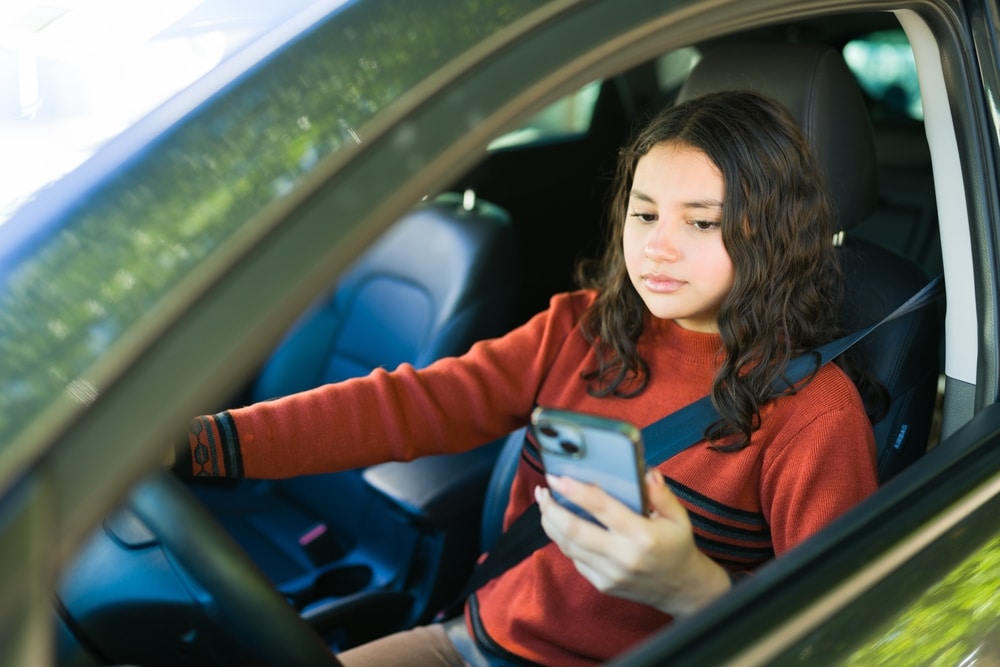
- Looking at a phone instead of watching the roadway, or engaging in other distracted driving.
- Turning or backing up without checking for pedestrians.
- Driving while impaired by alcohol or drugs.
A collision alone does not automatically establish the driver’s liability. A negligence claim generally requires proof of a duty of care, a breach of that duty, causation, and damages. Our lawyers have experience helping injury victims for over 25 years, and we are ready to help you.
Can a Pedestrian Be Partly Responsible for an Accident?
A pedestrian can share responsibility if they failed to use reasonable care and that failure contributed to the collision or their injuries. Entering traffic unexpectedly or disregarding a pedestrian signal may support a finding of pedestrian fault, depending on the evidence and applicable law.
However, crossing outside a marked crosswalk does not automatically make you entirely responsible. Some intersections have legally recognized unmarked crosswalks, and drivers still have duties to watch for pedestrians and respond reasonably to hazards. An allegation of jaywalking does not, by itself, resolve who caused the collision.
If an insurer says you caused the accident, that position is not a final legal determination. Sweet James can help you examine whether the evidence supports the allegation and who is responsible for the pedestrian accident.
Can Someone Other Than the Driver Be Liable?
An employer may share liability for a pedestrian accident when a driver negligently causes a collision while performing work duties within the scope of employment. This can involve vicarious liability, such as when a delivery driver causes a crash during a work assignment.
A property owner or contractor may be responsible if a dangerous condition under their control contributed to the accident and the legal requirements for liability are met. For example, unsafe construction routing may force pedestrians into traffic, but proving responsibility requires more than showing that construction was nearby.
A government entity may face a claim involving a dangerous roadway condition. However, special rules may limit its liability and require early notice of a claim. A manufacturer may also be responsible if a defective vehicle component contributed to the crash, potentially supporting a product liability claim.
How Does Shared Fault Affect Your Compensation?
Who is responsible for a pedestrian accident and how much compensation you can recover are related but separate questions. State law determines the effect of any fault assigned to you. Depending on your injuries, evidence, and applicable law, recoverable damages may include medical expenses, lost wages, future treatment costs, and pain and suffering.
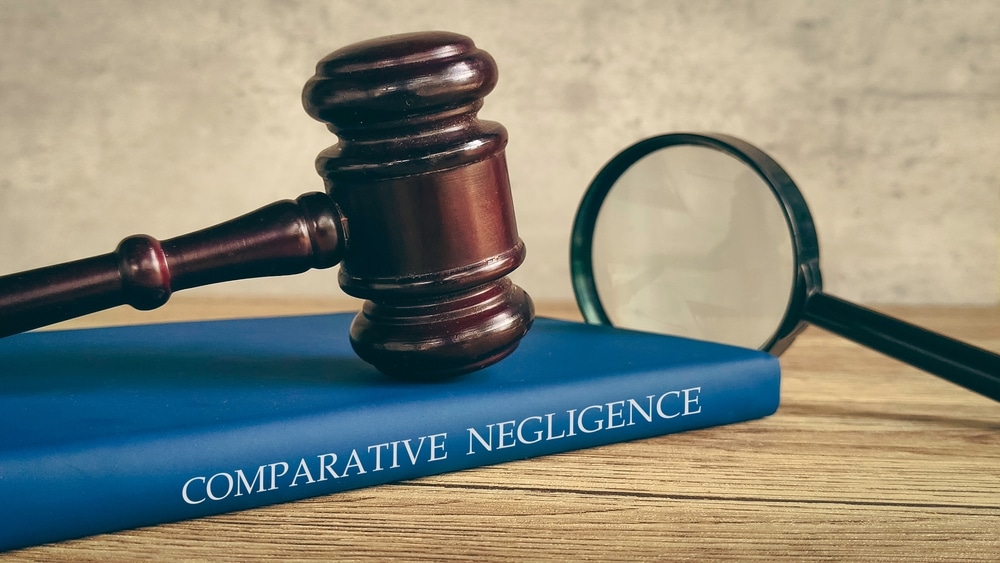
Under pure comparative negligence rules, your damages are generally reduced by your percentage of fault. Modified comparative negligence systems also reduce damages, but bar recovery when your responsibility reaches the state’s cutoff.
For example, where comparative fault allows recovery, being found 20% responsible would generally reduce your damages by 20%. This example explains how shared fault affects pedestrian accident compensation, not the value or likely outcome of your claim.
What Evidence Helps Establish Fault?
Evidence used to establish fault in a pedestrian accident should show how the collision happened, what each person could reasonably see, and whether their conduct contributed to the injuries. Photos, surveillance footage, dashcam video, witness accounts, vehicle damage, and traffic-signal information can help reconstruct events.
A police report can provide useful observations and identify witnesses, but it does not necessarily settle civil liability. Likewise, a traffic citation may be relevant without conclusively determining who must pay compensation.
Medical records help document your injuries and connect them to the collision. They can also show the treatment required and the physical effects of the accident. In disputed cases, an accident reconstruction professional may help evaluate speed, visibility, stopping distance, and other technical issues.
What Should You Do if Responsibility Is Disputed?
Prioritize your health after a collision. Once you are safe, taking practical steps can help preserve evidence without requiring you to resolve fault at the scene. Here’s what to do:
- Seek prompt medical attention and follow your treatment recommendations.
- Report the collision to law enforcement as required by local law.
- Photograph the scene, traffic controls, and visible injuries if you can do so safely.
- Obtain contact and insurance information for the driver and contact information for any witnesses.
- Keep medical bills, wage-loss records, and communications about the accident.
- Consider legal advice before giving the opposing insurer a recorded statement or signing a settlement release.
Describe what you actually remember rather than guessing about speed, distance, or blame. Acting promptly after a pedestrian collision also gives your legal team a better opportunity to locate footage before it is overwritten and identify applicable filing deadlines.
Learn More About Who Is Responsible for a Pedestrian Accident
You do not have to accept an insurer’s fault assessment without understanding the evidence and applicable law. Contact Sweet James to discuss your injuries, the circumstances of the collision, and the parties who may be responsible.
We can help you understand potential claims, shared-fault issues, and deadlines that may affect your options. Talk with us about pursuing compensation for your pedestrian accident injuries in a free consultation. Get the Sweet James Advantage.