
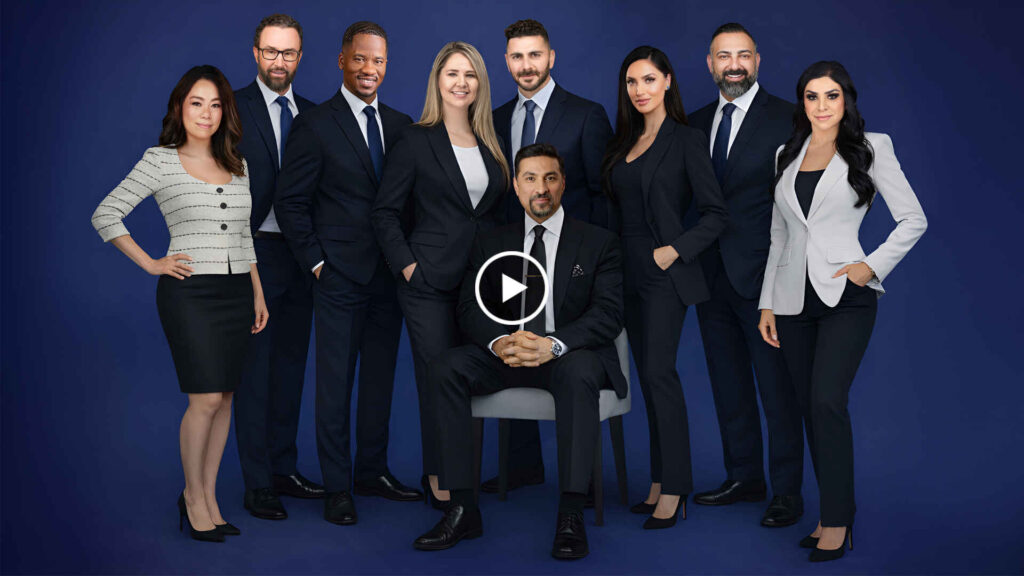







If a driver turned across your path and you were hurt, a left-hand turn accident lawyer in Phoenix at Sweet James can help you understand who may be responsible and what to do next.
Sweet James focuses exclusively on accident and personal injury cases. We can help you protect your claim while you focus on your recovery. To learn more, contact a Phoenix car accident lawyer today to discuss your options.
How Fault Is Determined After a Phoenix Left-Turn Crash
As our Arizona car accident lawyer at Sweet James explains, a driver making an unprotected left turn often must yield to oncoming traffic, but that does not make every left-turn crash the turning driver’s fault. Under Arizona law, a driver turning left must yield to an oncoming vehicle that is within the intersection or close enough to be an immediate hazard.
Signal timing can change the analysis. A protected green arrow, a steady green light, and a yellow light present different questions about when each driver entered the intersection. Speed, visibility, and whether either driver was distracted may also affect responsibility.
When Both Drivers May Share Responsibility
An oncoming driver might have been speeding or entered against a red light, even if the other driver was turning left. Arizona’s pure comparative-fault rule can reduce an injured person’s compensation according to their share of fault rather than automatically barring a claim.
Insurers may reach different conclusions from the drivers’ statements alone. Sweet James can look beyond those initial accounts to assess what the available evidence shows about each driver’s actions. That matters when an insurance company assumes the turning driver was solely responsible before examining the full sequence of events.
Evidence That Can Clarify a Left-Turn Collision
The moments before impact are often disputed, and a car accident lawyer at Sweet James starts by pinning them down. That means establishing which lane each vehicle occupied, what the signals displayed under A.R.S. § 28-645, and whether the turning driver yielded as A.R.S. § 28-772 requires. Evidence can disappear quickly, so documenting the scene as soon as it is safe may help.
Photos of vehicle damage, debris, skid marks, lane markings, and the intersection itself, whether on Thomas Road, Bell Road, or another busy corridor, can provide context. A Phoenix Police Department report may identify drivers and witnesses, although an officer’s initial description does not necessarily resolve every issue of fault.
Sources Worth Preserving
Depending on the crash, useful evidence may include:
- Traffic-camera footage: Recordings may show vehicle movements or signal timing, if footage exists and can be obtained.
- Nearby business video: Exterior cameras may capture an approach to the intersection or the impact.
- Dashcam footage: A recording may help clarify the signal, traffic conditions, or a vehicle’s approach.
- Witness accounts: Independent observers may recall a light change or a driver’s speed.
- Vehicle data: Available electronic information may help clarify braking or other pre-crash actions.
- Medical records: Prompt documentation can connect reported injuries and symptoms to the collisio
Sweet James can help identify which records are worth requesting and compare them with physical evidence. If you took photos or received a witness’s contact information, keeping the originals can also help preserve details that may be difficult to reconstruct later.
Injuries and Losses After a Turning Crash
A vehicle struck during a left turn may absorb a side impact, sometimes called a T-bone collision, while an oncoming vehicle may sustain substantial front-end damage. Either driver or a passenger can be injured.
The direction of impact, restraints, and force of the collision all matter; vehicle damage alone does not establish how seriously someone was hurt.
Some symptoms appear immediately, while others become clearer over the following days. Seeking appropriate medical attention creates a record of your condition and gives you an opportunity to discuss new or worsening symptoms with a healthcare professional.
Documenting the Full Effect on Your Life
An injury claim may involve medical expenses, lost income, future care needs, and pain and suffering, depending on the circumstances. Keep bills, appointment information, and records of missed work. Notes about limitations in your daily activities may also help explain effects that an invoice cannot show.
A Phoenix personal injury lawyer at Sweet James can review how the collision has affected you and what documentation supports your losses. We can also consider whether an injury may require ongoing treatment before evaluating an insurer’s offer. Accepting a final settlement too early may leave later needs unaddressed.
How Sweet James Can Help With a Disputed Claim
Insurance adjusters may request statements, ask for medical records, and propose a quick resolution. You can report the crash while being careful not to guess about signal timing, speed, or an injury you have not yet had evaluated.
A Phoenix left-turn collision lawyer can help you understand what information is relevant to the claim.
At Sweet James, we can investigate the intersection, review available records, and assess the applicable insurance policies. Our role includes identifying disagreements about fault, which Arizona divides by percentage under A.R.S. § 12-2505, and presenting evidence that addresses them, rather than relying only on the label assigned in a crash report.
Negotiations and the Possibility of Litigation
A claim may be resolved through insurance negotiations, but the insurer might dispute responsibility or the extent of your injuries. We can explain an offer in light of the documented losses and the evidence supporting your position. You remain the decision-maker about whether to accept a proposed resolution.
If a fair agreement is not reached, filing a lawsuit may be an option. Litigation involves deadlines and procedures, and its outcome is never certain.
Sweet James can discuss the available paths with you so you can make an informed decision about how to proceed. Our firm has recovered more than $1 billion for clients, including a $2,200,000 settlement in a Phoenix auto accident case. Past results do not guarantee future outcomes.
Arizona Deadlines and Insurance Issues to Watch
Arizona’s statute of limitations generally allows two years after a personal injury claim accrues to file a lawsuit under A.R.S. § 12-542. Claims involving a public entity generally require a notice of claim within 180 days (A.R.S. § 12-821.01) and a lawsuit within one year (A.R.S. § 12-821). Waiting can also make witnesses and recordings harder to locate.
A claim may involve more than the turning driver’s liability coverage. Depending on the facts and your policy, uninsured or underinsured motorist coverage might be relevant if the responsible driver has no insurance or insufficient coverage. Arizona insurers must offer that coverage under A.R.S. § 20-259.01, but policy terms determine what is available.
Steps to Take While the Facts Are Fresh
Keep copies of your insurance communications, repair estimates, medical records, and receipts in one place. If you remember additional details about the signal or see new symptoms, record when you noticed them. Avoid altering original photos or videos; copies can be easier to share while preserving the source files.
A lawyer for a left-hand-turn crash in Phoenix can review deadlines and coverage alongside the evidence of fault. Sweet James can help you determine which issues require prompt attention, particularly when multiple drivers or insurers are involved. Getting advice early does not require you to know every answer about the collision.
Discuss Your Next Steps With Sweet James
You do not have to settle a disputed account of a left-turn accident on your own. Sweet James can review what happened, explain the issues affecting your claim, and help you consider your options under Arizona law.
Contact a left-hand turn accident lawyer in Phoenix at Sweet James to discuss your crash and the information you have gathered. We can help you take the next step with a clearer understanding of the evidence, deadlines, and potential sources of coverage.