
The most common causes of car accidents tend to include distracted driving, speeding, impaired driving, failure to yield, tailgating, unsafe lane changes, and hazardous road or vehicle conditions.
Identifying the cause of a crash is central to determining fault, assigning liability, and evaluating how a claim should be handled.
If you were involved in a crash, a car accident lawyer can review your case, identify contributing factors, and help ensure responsibility is properly assigned.
What Driver Behaviors Cause Most Car Accidents?
Poor driver behavior is one of the most common causes of car crashes. This most often includes inattention, poor judgment, or failure to follow traffic laws.
Distracted driving, in particular, is a serious issue and a major contributing factor. Texting, of course, is a form of distraction, but distracted driving accidents can also involve:
- Using in-car navigation or entertainment systems.
- Eating, drinking, or reaching for objects.
- Talking to passengers or adjusting controls.
- Looking away from the road for even a few seconds.
Speeding is another frequent cause of accidents. Driving above the posted limit or too fast for conditions reduces reaction time and increases the severity of any impact.
Other behaviors that commonly lead to car accidents include:
- Failing to yield the right of way at intersections or during turns.
- Running red lights or stop signs.
- Making unsafe or sudden lane changes.
- Aggressive driving, including weaving through traffic.
These actions often combine. For example, a distracted driver who is also speeding has far less ability to avoid a collision.
How Do Speeding and Tailgating Lead to Car Crashes?
Speeding and tailgating frequently contribute to rear-end and multi-vehicle collisions. At higher speeds, stopping distances increase significantly, reaction time is reduced, and the force of impact is greater, increasing injury severity.
Tailgating can increase the risk of an accident when speeding is also involved. Following too closely leaves insufficient space to react to sudden stops, traffic changes, or hazards. In traffic or construction zones, this behavior often leads to chain-reaction crashes involving multiple vehicles.
From a liability standpoint, drivers who rear-end another vehicle are often presumed at fault, particularly when the following distance was inadequate.
Can Weather, Road Design, or Construction Cause a Wreck?
Yes. Environmental and roadway conditions can also commonly contribute to car accidents.
Weather Conditions and Driver Responsibility
Weather can reduce visibility and traction, making even routine driving more dangerous. Common contributing factors include rain or standing water, fog, ice, snow, and sun glare that obscures traffic signals or other vehicles.
However, weather alone is rarely the sole cause of a crash. Drivers are expected to adjust their speed, following distance, and overall behavior to match conditions. Failing to do so can still result in a finding of negligence, even when the weather played a role.
Road Design and Construction Hazards
Roadway conditions can introduce risks that are outside a driver’s control. Poorly designed intersections, missing or unclear signage, malfunctioning traffic signals, potholes, debris, and inadequate construction warnings can all contribute to collisions.
In these cases, liability may extend beyond the driver. A city, contractor, or maintenance company may share responsibility if they knew or should have known about a hazardous condition and failed to correct it or provide proper warning.
Do Vehicle Defects or Poor Maintenance Cause Collisions?
Vehicle condition is another common factor in causing car accidents. Mechanical failures can either cause a crash or increase the severity of the outcome.
Defective Parts and Manufacturer Liability
Mechanical defects can lead to loss of control or prevent safety systems from functioning as intended. Issues may involve brakes, tires, steering components, or airbags that fail during a crash.
When a defect contributes to an accident, liability may extend to the manufacturer, distributor, or repair provider, depending on where the failure occurred in the chain.
Maintenance-Related Failures
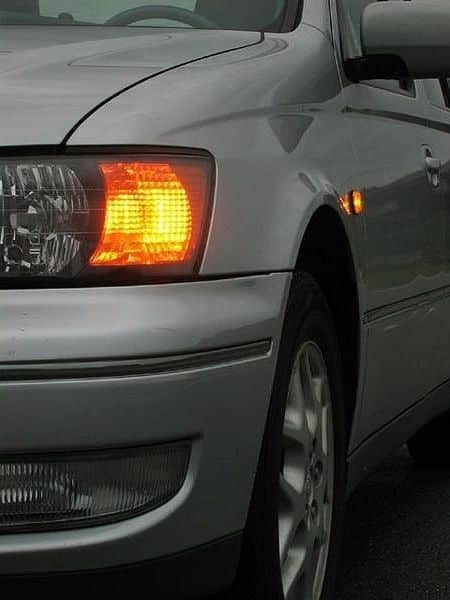
Not all vehicle issues involve defects. Poor maintenance can also create dangerous conditions. Worn tires, failing brakes, or broken lights reduce a driver’s ability to stop, see, or be seen.
Drivers have a duty to maintain their vehicles in a reasonably safe condition. If neglected maintenance contributes to a crash, that failure can be considered negligence.
Who Is at Fault for the Most Common Causes of Car Accidents?
Fault is determined based on negligence, meaning whether a party failed to act with reasonable care under the circumstances.
In many cases, a driver is responsible for causing the collision. However, liability is not always limited to the person behind the wheel. Depending on how the accident occurred, multiple parties may share responsibility.
Potentially liable parties can include:
- Other drivers whose actions contributed to the crash.
- Vehicle owners who allowed an unsafe or unqualified driver to use their vehicle.
- Employers, if the driver was working at the time of the accident.
- Vehicle manufacturers or parts suppliers, if a defect contributed to the crash.
- Repair shops or maintenance providers, if improper work led to mechanical failure.
- Government agencies or contractors responsible for unsafe road design, poor maintenance, or construction hazards.
For example, a crash may involve both a negligent driver and a poorly marked construction zone, or a driver and a defective vehicle component. In these situations, fault is divided based on each party’s role in causing the accident.
Because liability can extend beyond a single driver, determining fault requires a full review of the evidence to identify every contributing factor and responsible party.
Speak With Sweet James About the Cause of Your Car Accident
Understanding what caused your accident is the first step in building a strong claim.
Our car accident attorneys at Sweet James approach these cases with a different perspective. Having handled claims from the insurance side, we know how liability is evaluated and where those arguments tend to fall short. That insight allows us to identify all contributing causes, bring in the right evidence, and hold the right parties accountable.
If you have questions about fault or how your accident may be evaluated, contact our firm to schedule a free consultation. You pay no fees or costs unless we win your case.